Commercial HVAC Coil Cleaning: Why It Matters for Vancouver Buildings
Commercial HVAC coil cleaning is an essential part of maintaining efficient, dependable heating and cooling equipment. When condenser and evaporator coils become covered in dirt, dust, pollen, cottonwood, grease, and other contaminants, the system must work harder to transfer heat and maintain comfortable indoor temperatures.
For commercial property owners and facility managers in Vancouver and throughout the Lower Mainland, routine coil inspections and professional cleaning can help reduce unnecessary energy use, maintain cooling capacity, prevent equipment problems, and extend the service life of valuable HVAC equipment.
What Do HVAC Coils Do?
Most commercial air conditioning and heat pump systems rely on two primary types of coils:
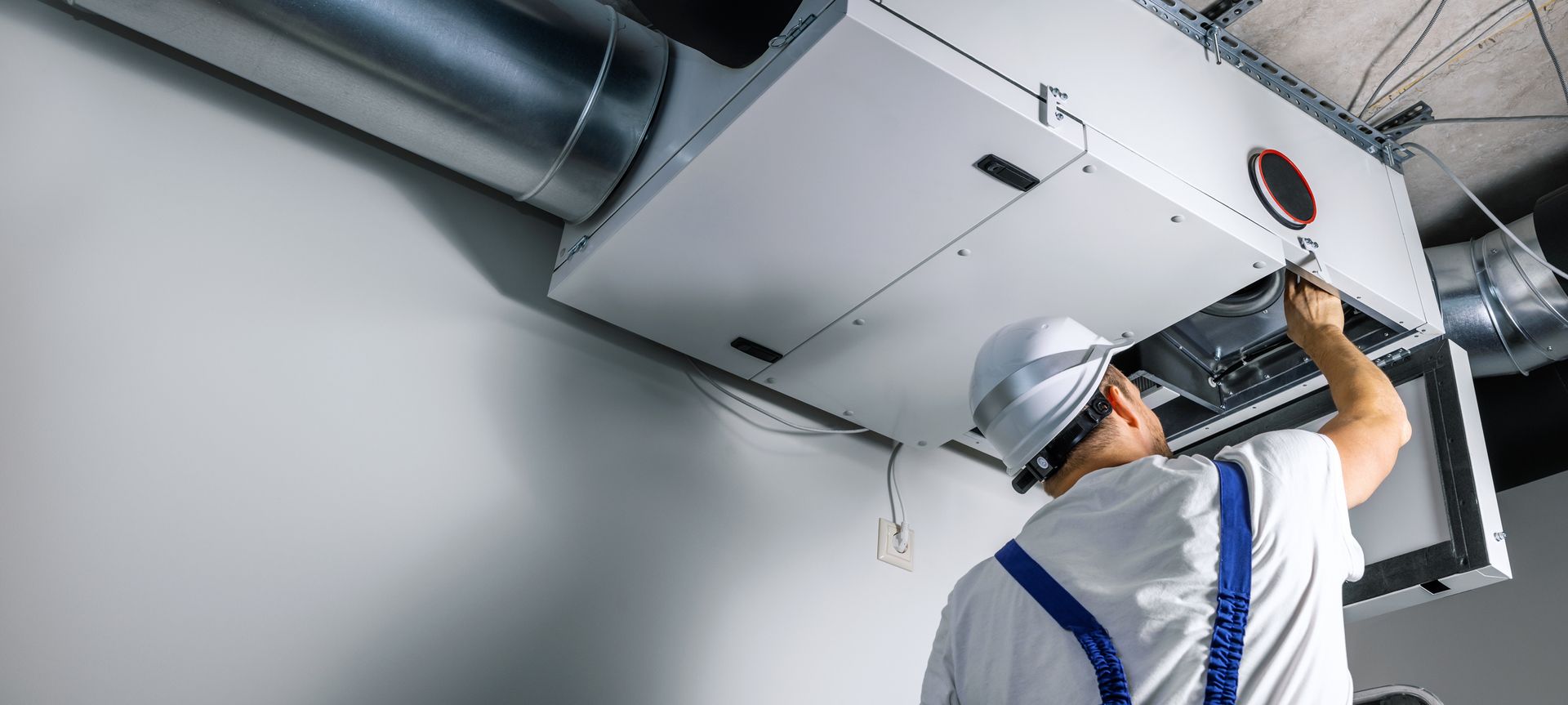
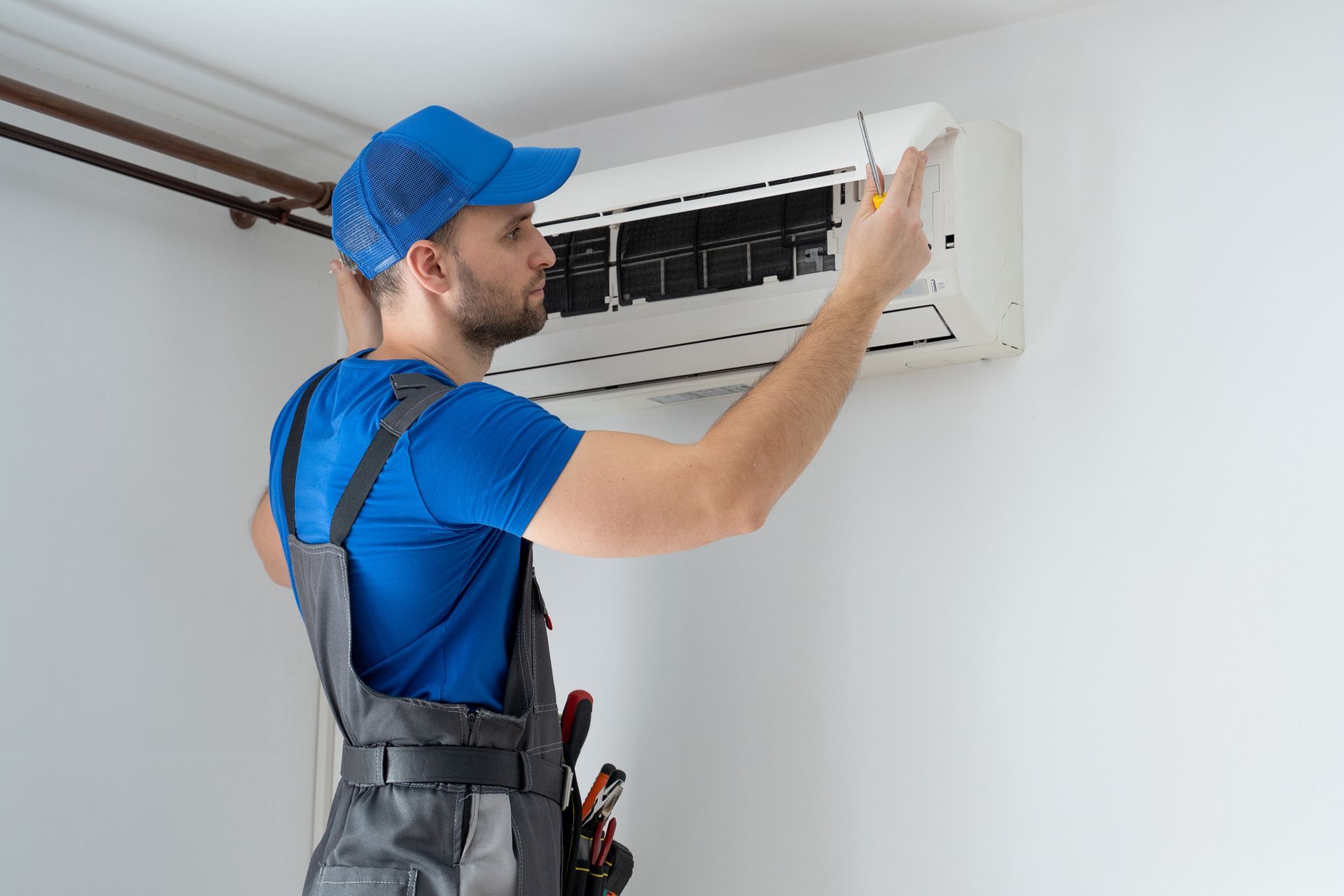
Evaporator coils absorb heat from the air inside the building. They are commonly located inside an air handler, rooftop unit, or indoor HVAC unit.
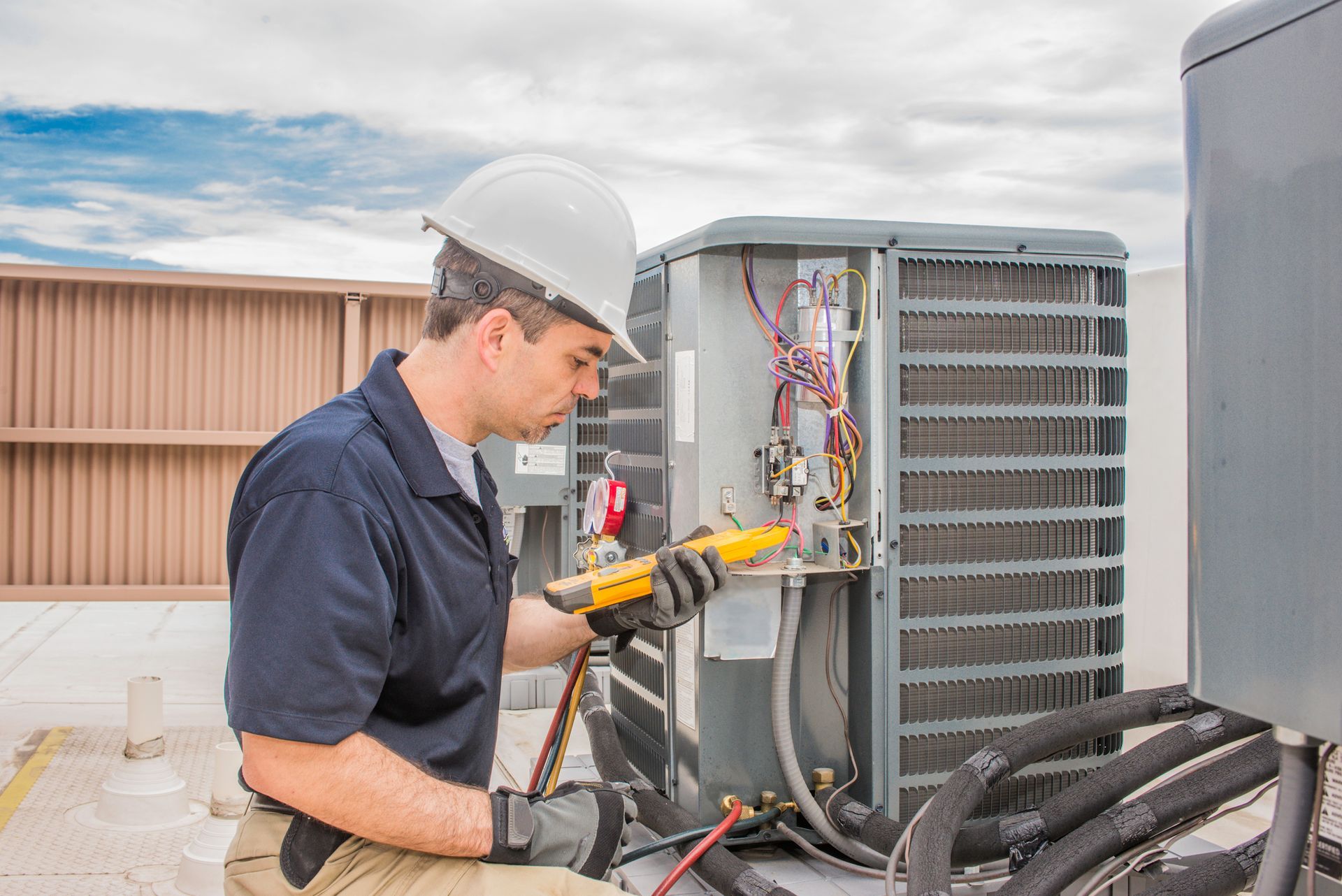
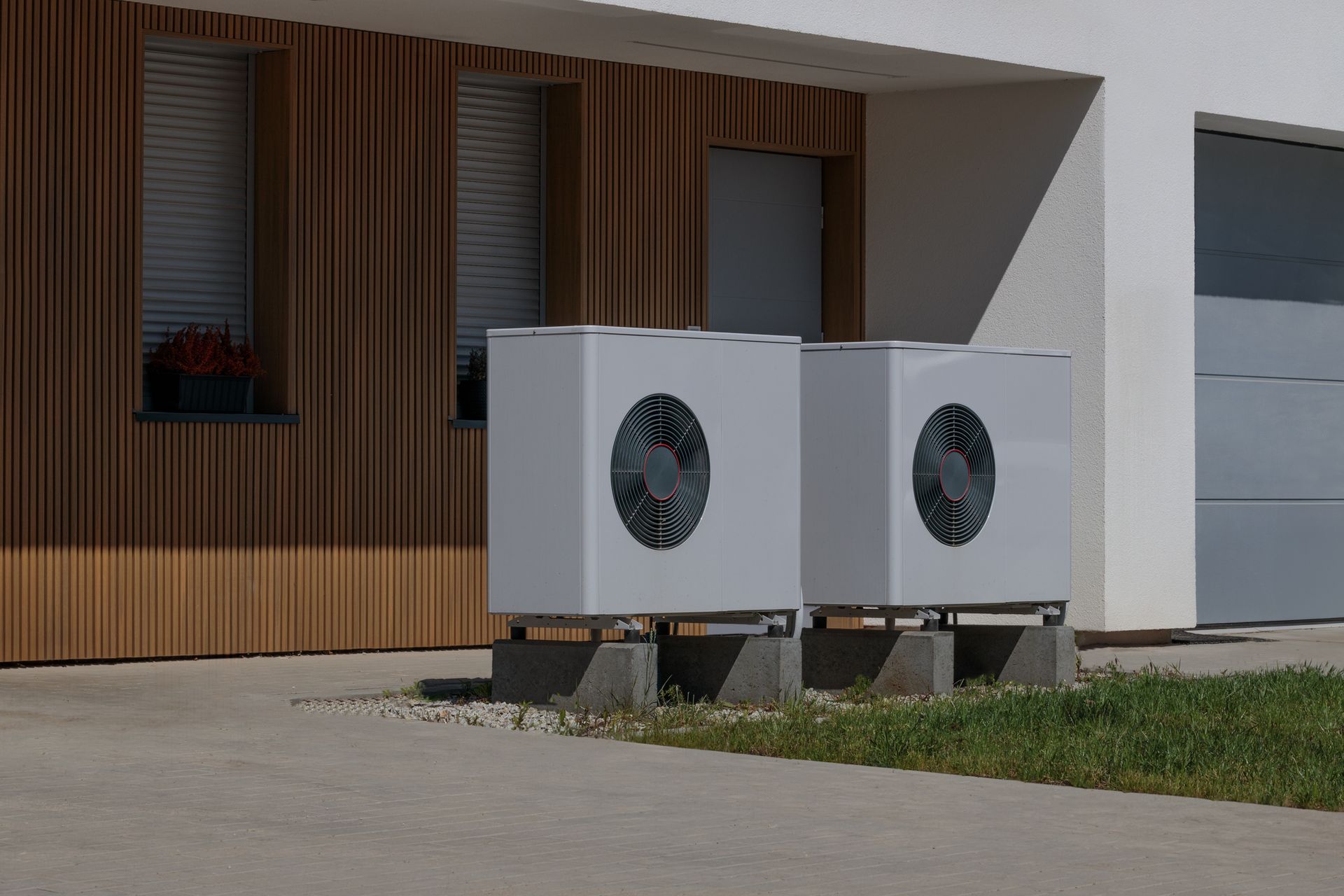
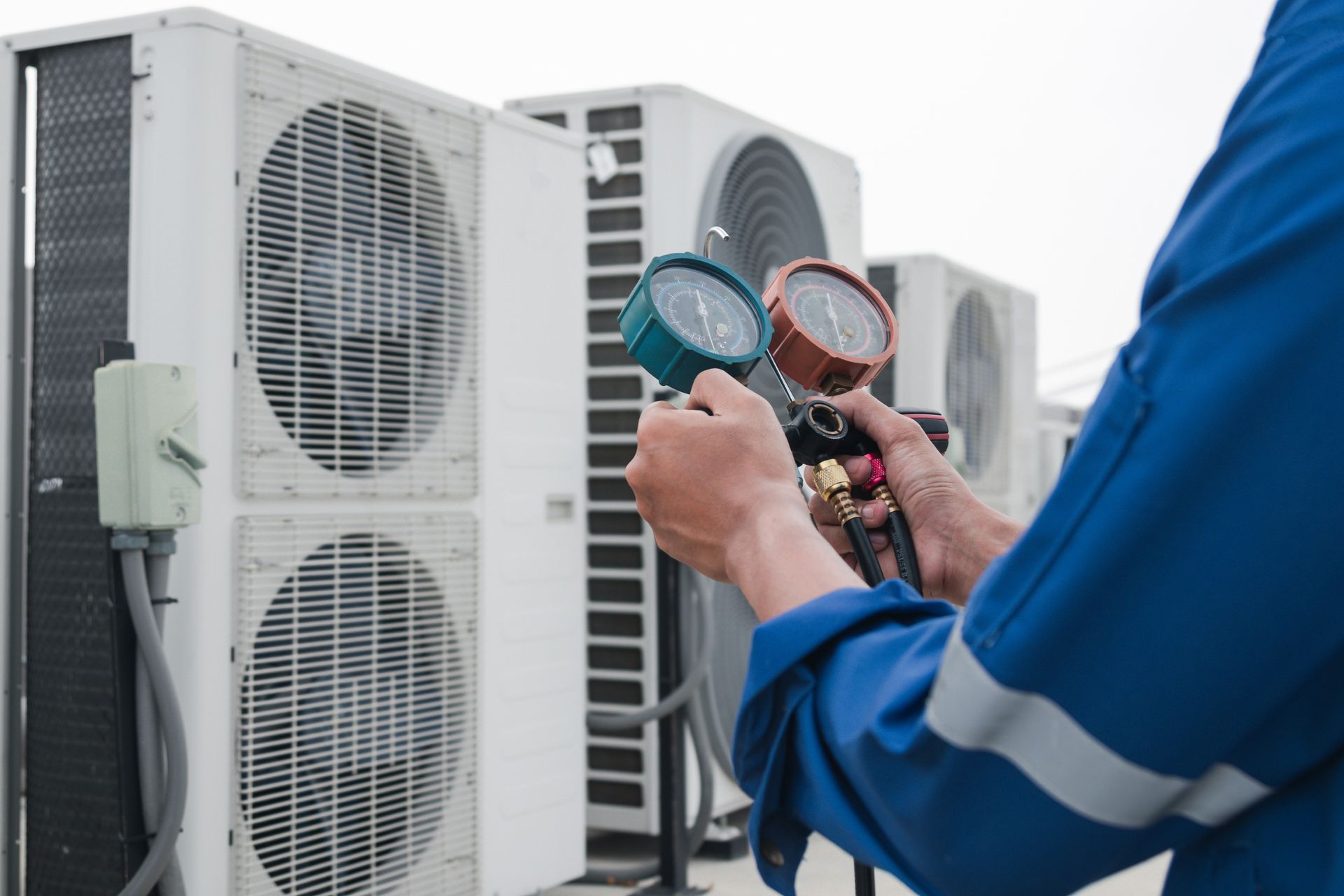
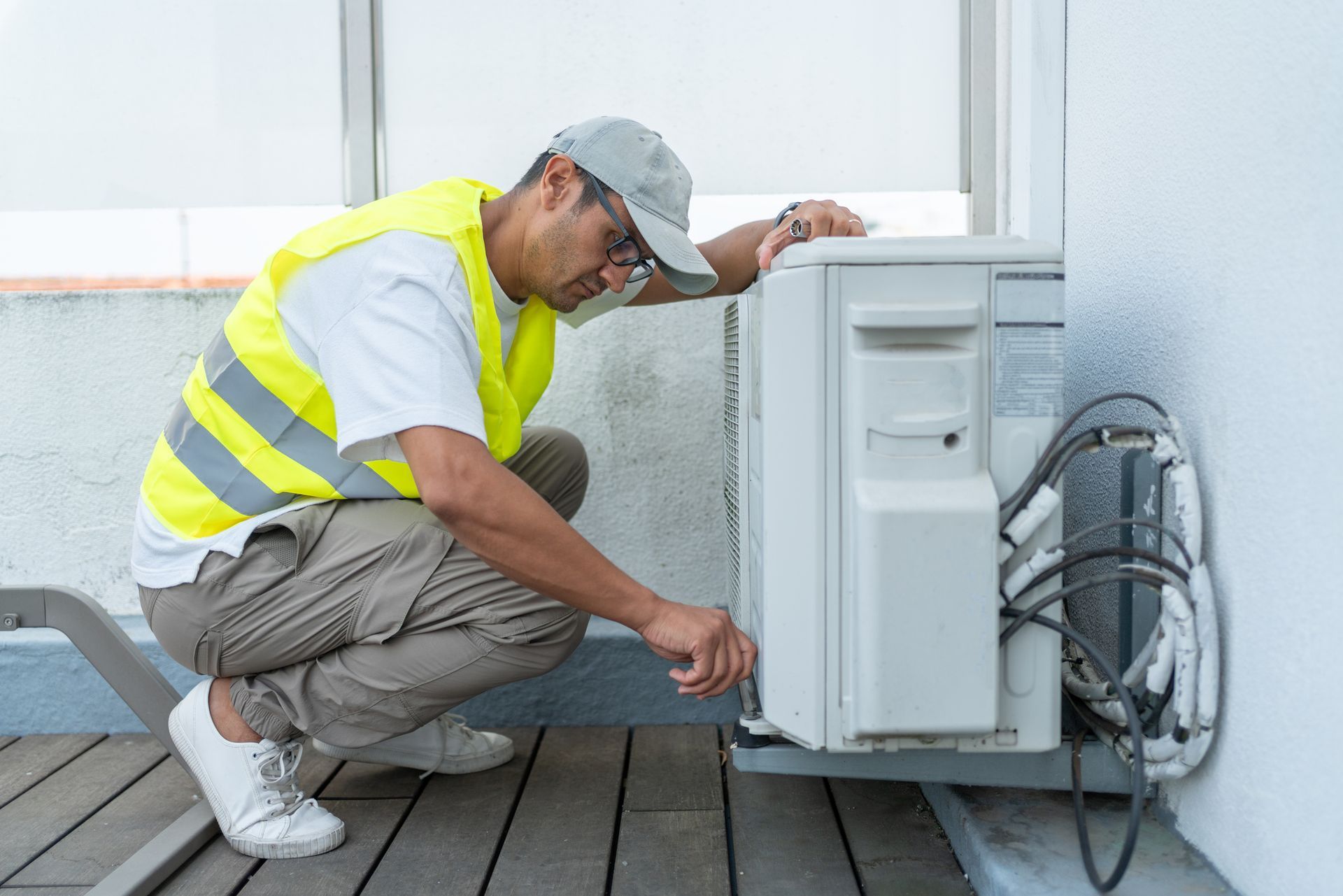
Condenser coils release heat outside the building. They are typically located in an outdoor condensing unit or packaged rooftop HVAC system.
Both coils depend on clear airflow and clean heat-transfer surfaces. Even when the rest of the system appears to be operating normally, contamination on either coil can gradually reduce performance.
Why Do Commercial HVAC Coils Become Dirty?
Commercial HVAC equipment often operates for longer hours and serves larger spaces than residential systems. Depending on the building and its surroundings, the coils may be exposed to:
- Dust and airborne debris
- Pollen and cottonwood
- Vehicle exhaust and urban contaminants
- Grease from restaurants or commercial kitchens
- Construction dust
- Moisture and organic buildup
- Debris around rooftop HVAC equipment
- Contaminants from nearby industrial activity
Filters can help reduce contamination, but they cannot prevent all buildup. Outdoor condenser coils are also directly exposed to the surrounding environment and require regular inspection.
1. Improve Commercial HVAC Energy Efficiency
HVAC coils are designed to transfer heat. Dirt and debris create a barrier across the coil surface, making it more difficult for the system to absorb or release heat efficiently.
When heat transfer is restricted, compressors, fans, and motors may need to operate for longer periods to reach the building’s temperature setpoint. This can increase energy use and place additional demand on the equipment.
Professional commercial coil cleaning can help:
- Restore more effective heat transfer
- Reduce unnecessary HVAC run times
- Support more efficient system operation
- Improve airflow through the equipment
- Help control commercial energy costs
Coil cleaning is particularly valuable before periods of heavy cooling demand, when commercial systems must operate reliably for extended hours.
2. Maintain Cooling Capacity and Occupant Comfort
A dirty evaporator coil may struggle to absorb enough heat from the indoor air. A dirty condenser coil may have difficulty releasing that heat outside.
These conditions can contribute to:
- Warmer supply air
- Longer equipment run times
- Uneven temperatures
- Reduced airflow
- Poor humidity control
- Difficulty cooling the building during warm weather
- Comfort complaints from employees, tenants, or customers
Clean coils help the HVAC system operate closer to its intended capacity. This supports more consistent temperatures throughout offices, retail locations, restaurants, warehouses, strata buildings, and other commercial properties.
3. Reduce Stress on HVAC Components
Restricted heat transfer forces important HVAC components to work under more demanding conditions. Compressors may operate at higher temperatures and pressures, while fan motors may need to work harder to move air through contaminated coils.
Over time, this additional strain can increase wear on the system. Routine condenser and evaporator coil cleaning can help protect:
- Compressors
- Fan motors
- Blower assemblies
- Refrigeration components
- Rooftop HVAC units
- Commercial heat pump systems
- Air-handling equipment
Reducing unnecessary operating stress may help extend equipment life and delay the need for major repairs or premature replacement.
4. Help Prevent Commercial HVAC Breakdowns
Dirty coils can contribute to several common HVAC operating problems.
A contaminated condenser coil may prevent the system from releasing heat properly, leading to elevated operating temperatures or high-pressure shutdowns. A dirty evaporator coil can restrict airflow and may contribute to freezing.
Potential warning conditions include:
- Frozen evaporator coils
- Compressor overheating
- High refrigerant pressures
- Reduced airflow
- Weak cooling performance
- Frequent system cycling
- Safety shutdowns
Increased emergency service calls
A planned commercial HVAC maintenance visit is generally less disruptive than an unexpected breakdown during business hours or peak summer conditions.
5. Support Cleaner Airflow and Indoor Air Quality
Evaporator coils are located within the building’s air stream and are frequently exposed to moisture. Dust and debris that pass through the filtration system may collect on the coil surface, drain pan, or surrounding components.
If moisture problems are also present, contaminated HVAC components may contribute to musty odours or poor indoor air conditions.
Professional evaporator coil cleaning can help:
- Remove accumulated dirt and debris
- Maintain cleaner airflow through the air handler
- Reduce musty or unpleasant odours associated with buildup
- Support proper drainage around the coil
- Complement routine filter replacement
- Support a more complete commercial indoor air quality strategy
Coil cleaning should be performed alongside appropriate filtration, condensate drain maintenance, moisture control, and regular HVAC inspections.
6. Protect Your Commercial HVAC Investment
Commercial HVAC equipment represents a substantial investment. Preventative maintenance helps property owners and facility managers receive greater long-term value from that equipment.
Regular coil inspections and cleaning can support:
- More dependable HVAC performance
- Lower repair risk
- Longer equipment service life
- More predictable maintenance planning
- Fewer disruptions to business operations
- Improved return on existing HVAC assets
For buildings with multiple rooftop units, air handlers, heat pumps, or refrigeration systems, a customized maintenance plan can also help ensure that equipment is inspected according to its condition, location, and operating demands.
How Often Should Commercial HVAC Coils Be Cleaned?
There is no universal cleaning schedule for every commercial property. Coil cleaning frequency should be based on the equipment’s condition, operating hours, application, and surrounding environment.
General inspection guidelines include:
Office Buildings
Commercial HVAC coils should typically be inspected as part of annual preventative maintenance. Cleaning should be completed when dirt or airflow restrictions are identified.
Retail and High-Traffic Commercial Spaces
Systems serving retail stores, fitness facilities, and other high-occupancy spaces may require more frequent inspection because of longer operating hours and increased airborne contaminants.
Restaurants and Commercial Kitchens
Grease and cooking-related contaminants can collect quickly on HVAC equipment. These facilities may need quarterly inspections or a customized cleaning schedule.
Industrial and Manufacturing Facilities
Dust, fibres, production debris, and process-related contaminants may require more frequent coil inspections and cleaning.
Buildings Near Trees or Cottonwood
Outdoor condenser coils should be checked seasonally. Pollen, leaves, and cottonwood can rapidly restrict airflow through condenser fins.
Construction and Renovation Sites
HVAC systems operating near active construction may collect drywall dust, sawdust, and other fine particles. Filters and coils should be inspected after significant construction activity.
The most effective approach is to have a qualified commercial HVAC technician evaluate the coils and recommend a cleaning schedule based on actual operating conditions.
Signs Your Commercial HVAC Coils May Need Cleaning
Contact a commercial HVAC professional if you notice:
- Rising electricity costs without an obvious explanation
- Longer heating or cooling cycles
- Weak airflow from vents
- Reduced cooling performance
- Uneven indoor temperatures
- Frozen evaporator coils
- High refrigerant pressures
- Frequent HVAC shutdowns
- Visible dirt on condenser fins
- Cottonwood or pollen buildup
- Grease accumulation
- Musty odours near supply vents
- More frequent equipment repairs
These symptoms can have several possible causes, so the complete HVAC system should be inspected rather than assuming the coils are the only problem.
Why Professional HVAC Coil Cleaning Matters
Commercial HVAC coils contain thin metal fins and sensitive components that can be damaged by improper cleaning methods. Harsh chemicals, excessive water pressure, or incorrect tools may bend fins, damage protective coatings, affect electrical components, or push debris farther into the equipment.
A professional commercial HVAC technician can:
- Inspect the condition of both coils
- Identify the type and severity of contamination
- Protect electrical and surrounding components
- Select an appropriate coil-cleaning method
- Check condensate drainage
- Inspect filters and airflow
- Look for signs of refrigerant or mechanical problems
- Confirm system operation after cleaning
Professional service also allows the technician to identify developing issues that may not be visible during a basic visual inspection.
Commercial HVAC Coil Cleaning in Vancouver and the Lower Mainland
Routine commercial HVAC coil cleaning can improve heat transfer, maintain airflow, reduce operating stress, and lower the risk of unexpected equipment problems. It is a practical component of a complete commercial HVAC preventative maintenance program.
Micron Mechanical provides commercial HVAC service and maintenance for businesses, commercial properties, and industrial facilities throughout Vancouver and the Lower Mainland. Our qualified team brings Red Seal HVAC/R expertise and more than 25 years of industry experience to commercial air conditioning, heating, refrigeration, chiller, and preventative maintenance projects.
Contact Micron Mechanical to schedule a commercial HVAC inspection or request a customized maintenance plan for your property.
Frequently Asked Questions About Commercial HVAC Coil Cleaning
Does cleaning commercial HVAC coils reduce energy use?
Cleaning contaminated coils can improve airflow and heat transfer, helping the equipment operate more efficiently. The potential improvement depends on the system, the amount of buildup, and the condition of the other HVAC components.
What is the difference between evaporator and condenser coil cleaning?
Evaporator coil cleaning removes buildup from the indoor coil that absorbs heat from the building’s air. Condenser coil cleaning removes debris from the outdoor coil that releases heat. Both coils must remain clean for the system to transfer heat effectively.
Can dirty HVAC coils cause an air conditioner to freeze?
Yes. Dirt buildup on an evaporator coil may restrict airflow and interfere with heat absorption, which can contribute to freezing. Low refrigerant, blower problems, and clogged filters can also cause frozen coils, so a technician should inspect the complete system.
Can commercial HVAC coils be pressure washed?
High-pressure washing can bend delicate coil fins or damage equipment. Commercial coils should be cleaned using methods and products appropriate for the coil type, location, protective coating, and level of contamination.
Is coil cleaning included in commercial HVAC maintenance?
It depends on the maintenance agreement and the condition of the equipment. A professional maintenance visit should include coil inspection, with cleaning completed or recommended when buildup is affecting airflow or performance.
When is the best time to schedule commercial coil cleaning?
Many Vancouver businesses schedule inspections before the cooling season. However, restaurants, industrial facilities, and buildings exposed to heavy debris may need inspections at multiple points throughout the year.