Why Heat Recovery Ventilators Matter During the Rainy Season in Port Coquitlam and Coquitlam
Rainy weather is part of life in Port Coquitlam and Coquitlam, especially through fall and the wetter months. During this time, homes tend to stay closed up for longer stretches, which can reduce the amount of fresh outdoor air moving through living spaces. HRV installation in Port Coquitlam, BC can help address that problem by providing controlled ventilation while limiting unnecessary heat loss.
A heat recovery ventilator, or HRV, continuously exchanges stale indoor air with fresh outdoor air. As the outgoing air passes through the unit, much of its heat is transferred to the incoming air without mixing the two air streams. That makes ventilation practical during cool, rainy weather when opening windows may be uncomfortable.
Why Rainy Weather Can Affect Indoor Air
Moisture does not only come from rain outside. Everyday activities such as cooking, showering, and drying laundry can add water vapour to indoor air. When a home remains tightly closed, that moisture can linger along with odours and other indoor contaminants.
Cooler surfaces can also make excess indoor moisture more noticeable. Condensation on windows is one common sign that humidity levels may be high. Persistent moisture can create uncomfortable conditions and favour mould growth.
Ventilation helps move moisture-laden indoor air out of the house and replace it with outdoor air. An HRV provides that exchange in a controlled way, rather than relying on open windows or incidental air leakage through the building envelope.
How HRVs Recover Heat During Ventilation
Traditional exhaust ventilation removes indoor air, but the heat contained in that air leaves with it. An HRV is designed to capture a significant portion of that heat before the stale air is exhausted outdoors.
Inside the unit, separate air streams pass through a heat-exchange core. Heat transfers from the warmer outgoing air to the cooler incoming air while the air itself remains separated. The incoming air therefore enters at a more moderate temperature than untreated outdoor air.
For homeowners considering HRV installation in Port Coquitlam, BC, this heat-transfer process is especially useful during the rainy season. Fresh-air ventilation can continue even when outdoor temperatures drop, without throwing away as much of the heat the home’s heating system has already produced.
Benefits of HRV Installation in Port Coquitlam, BC, During Wet Months
An HRV can support indoor comfort in several ways during extended periods of cool, wet weather. Its primary job is ventilation, which means replacing stale air with a measured supply of fresh air.
That air exchange can help remove excess indoor humidity, lingering cooking odours, and airborne contaminants generated inside the home. It can also reduce the need to open windows simply to freshen rooms when conditions outside are cold and rainy.
Because the system recovers heat from outgoing air, it also reduces the energy penalty associated with bringing colder outdoor air indoors. The result is a more balanced approach to ventilation for homes that need consistent fresh air during the heating season.
Proper HRV Design and Installation Matter
An HRV needs to be selected and installed for the specific home. Airflow requirements depend on factors such as the size and layout of the house, the number and location of exhaust points, and how the existing HVAC system is configured.
Duct design and airflow balancing are also important. A properly balanced system supplies and exhausts appropriate amounts of air so the HRV can perform as intended. Poor airflow can limit ventilation performance and may create comfort problems in different areas of the home.
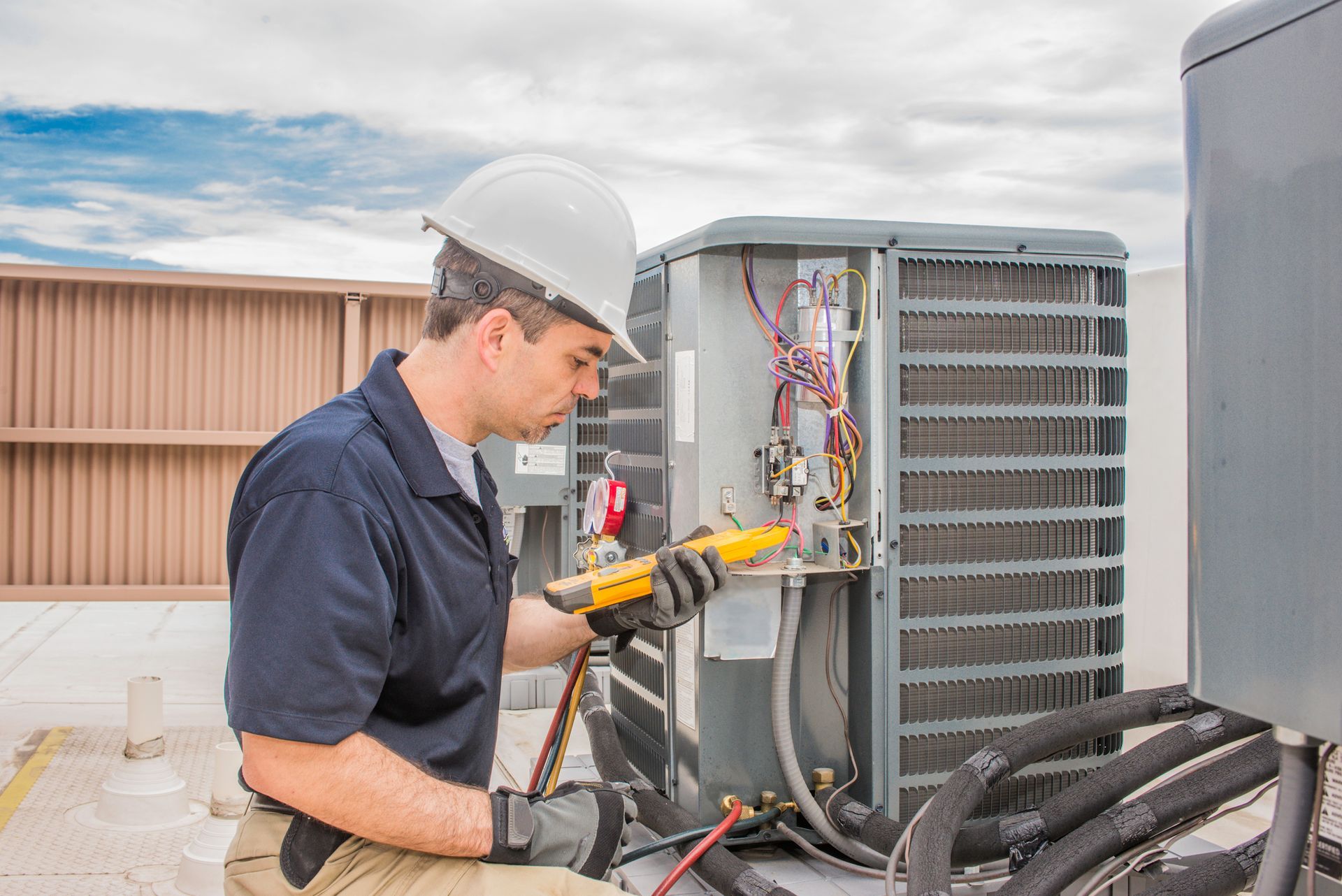
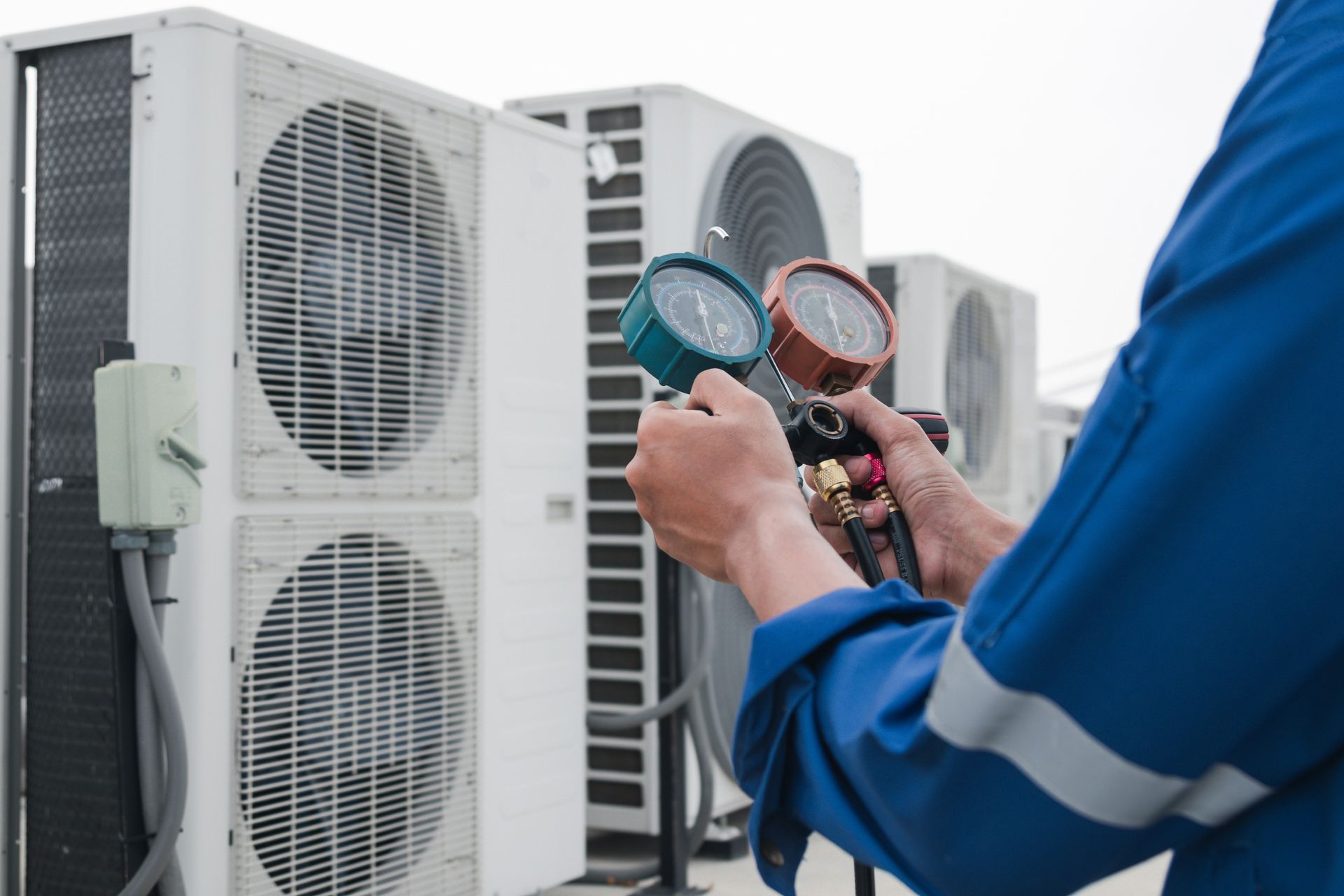
Professional HRV installation in Port Coquitlam, BC gives a trained technician the opportunity to evaluate these details before the system is put into service. The technician can also confirm that controls, duct connections, drainage, and airflow settings are suited to the equipment and the home.
When an HRV May Be Worth Considering
Homes that feel stuffy during the heating season, experience recurring window condensation, or hold onto cooking and household odours may benefit from improved ventilation. Newer or renovated homes with tighter building envelopes can also have less natural air leakage, making planned ventilation more important.
An HVAC technician can assess current ventilation, humidity concerns, and existing equipment before recommending a solution. That evaluation helps determine whether an HRV fits the home’s needs and how it should be integrated with the rest of the HVAC system.
Plan for Better Ventilation This Rainy Season
Port Coquitlam and Coquitlam homeowners spend plenty of time indoors once the rainy season arrives. Consistent ventilation can help keep indoor air fresher while heat recovery reduces the amount of useful warmth lost during the exchange.
At Micron Mechanical, we provide indoor air quality solutions for homes throughout the Lower Mainland, including heat recovery ventilators. If you are considering
HRV installation in Port Coquitlam, BC,
contact us today to schedule an assessment and find a ventilation solution suited to your home.