Heat Pump or Furnace: Choosing the Right Heating System for Surrey and Langley Homes
Choosing a heating system is a significant decision for homeowners in Surrey and Langley. Winters in the Lower Mainland bring long stretches of damp, chilly weather, while summer temperatures can make cooling just as important. Both heat pumps and furnaces can keep a home comfortable, but they work differently and come with distinct installation and operating costs.
When comparing heat pump vs. furnace in Surrey and Langley, BC, homeowners should consider their existing equipment, energy rates, ductwork, and comfort preferences. A system that suits one property may be less practical for another.
How Heat Pumps and Furnaces Work
A conventional gas furnace burns natural gas to heat air, which a blower distributes through ducts. Modern high-efficiency furnaces capture more usable heat from the fuel they consume for whole-home heating. However, a furnace cannot provide air conditioning on its own.
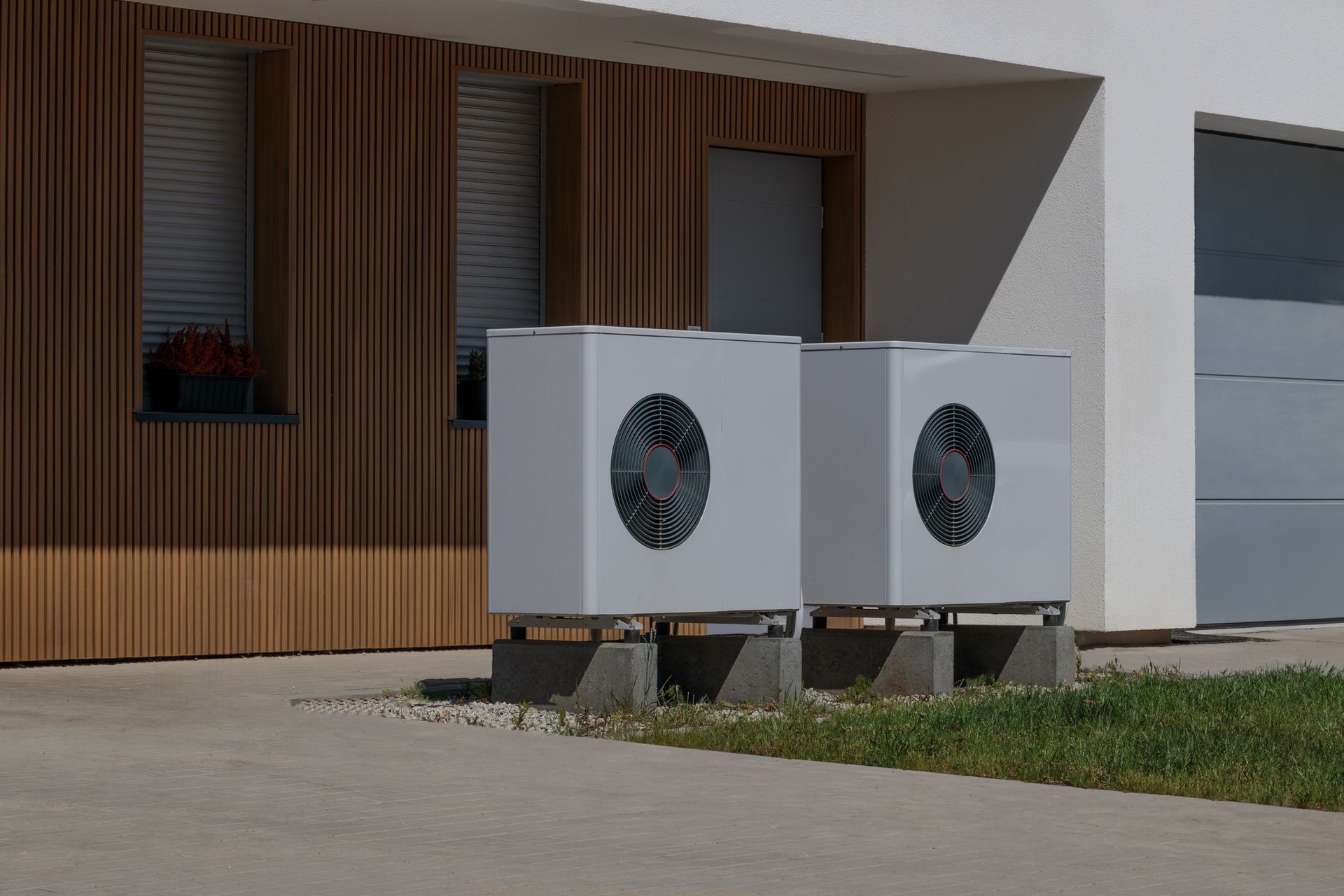
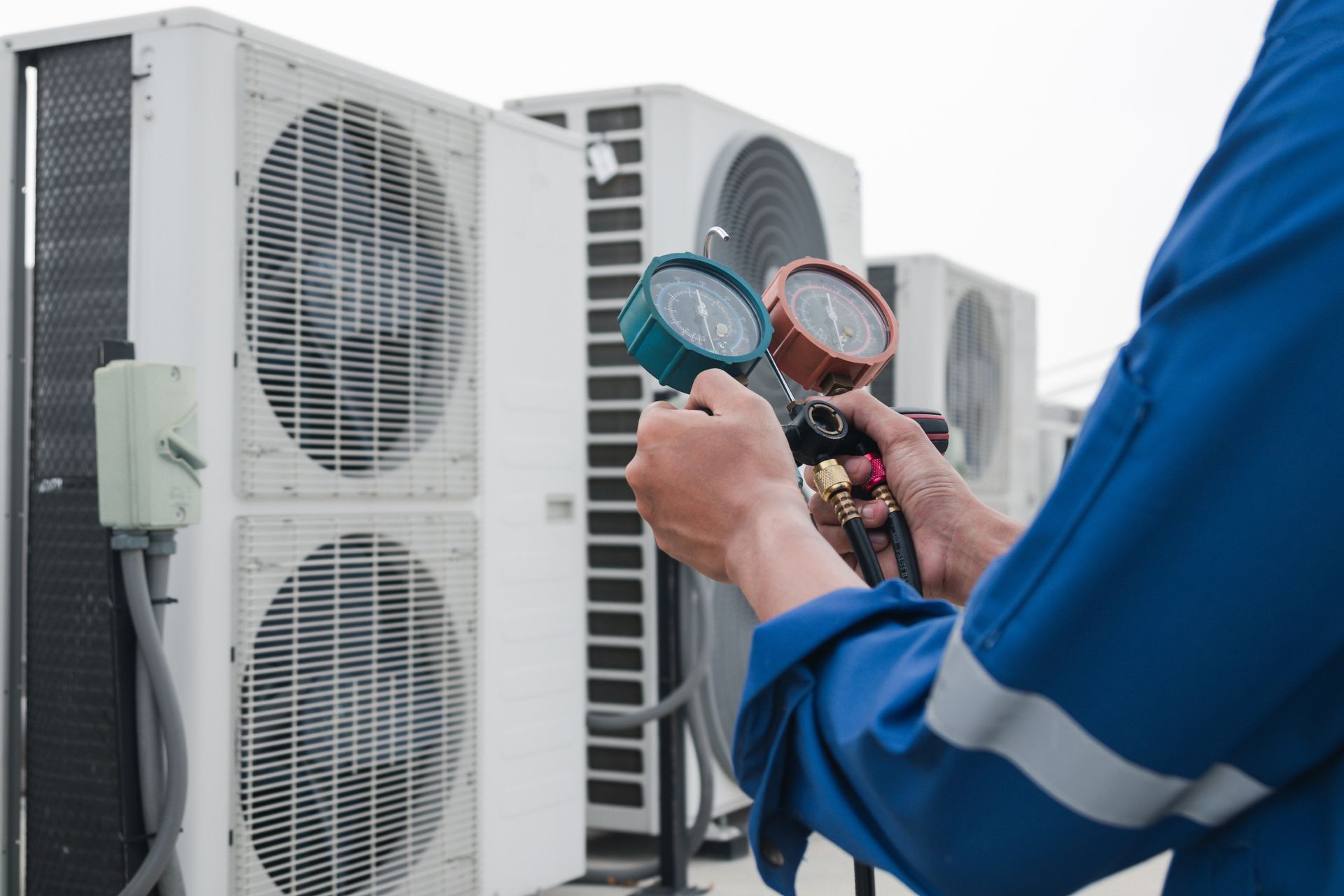
An air-source heat pump uses electricity to move heat between indoors and outdoors. In winter, it extracts heat from outside air and transfers it indoors; in summer, the process reverses to cool the house. A traditional central heat pump connects to ductwork, making it a direct whole-home alternative to a furnace paired with air conditioning.
Ductless mini splits also use heat pump technology, but individual indoor units typically serve particular rooms or zones. They can be useful in homes without ducts, but differ from central systems.
Heat Pump vs. Furnace in Surrey and Langley, BC: Winter Performance
Surrey and Langley generally experience milder winters than much of Canada, which makes air-source heat pumps worth considering. Their ability to move existing heat rather than generate it can deliver substantial efficiency benefits during winter.
Outdoor temperature still matters. As temperatures fall, a heat pump may produce less heat efficiently, depending on the model. Cold-climate models are designed to maintain stronger heating performance in freezing conditions, while some installations require supplemental heat during especially cold periods.
Gas furnaces deliver heat through combustion regardless of outdoor air temperature. That consistent heating output may appeal to homeowners who already have a well-functioning gas system or whose homes have high heating demands. The best choice depends on a professional assessment of the home’s heat loss and the equipment’s rated capacity.
Comparing Energy Costs and Efficiency
Heat pumps can supply multiple units of heating energy for each unit of electricity they use. Furnaces convert fuel into heat, so their efficiency is measured differently. Greater efficiency does not guarantee a lower bill.
Electricity and natural gas prices, fixed service charges, insulation levels, and equipment performance all affect operating costs. When weighing heat pump vs. furnace in Surrey and Langley, BC, it is worth requesting an estimate based on your home’s heating needs rather than relying on broad savings claims.
A heat pump may also reduce the need for separate cooling equipment. If an aging air conditioner and furnace both need replacement, comparing the total cost of the complete systems provides a more useful picture than comparing heating equipment alone.
Installation Costs and Existing Ductwork
A home with suitable ducts may accommodate either a replacement furnace or a ducted heat pump. However, the condition and size of those ducts matter because heat pumps and furnaces can deliver air at different temperatures and airflow rates. A technician should confirm whether modifications are needed.
Homes switching from gas to electric heating may require an electrical panel or circuit upgrade. A new furnace may be simpler to install when the existing gas supply, venting, and ducts remain appropriate. These affect installation costs.
For homeowners exploring heat pump vs. furnace in Surrey and Langley, BC, installation quotes should specify equipment capacity, any electrical or ductwork changes, and the expected heating and cooling coverage. Available rebates can also influence the calculation, but eligibility requirements should be checked before making a purchase decision.
When a Hybrid Heating System Makes Sense
Some homes can combine a ducted heat pump with a compatible gas furnace. This arrangement uses the heat pump for much of the heating season and switches to the furnace when conditions or operating costs favour gas heat.
Hybrid systems can offer flexibility, although they require compatible equipment and appropriate controls. They also retain a gas connection, so homeowners hoping to eliminate gas service should account for that tradeoff.
Choose a System That Fits Your Home
The heat pump vs. furnace in Surrey and Langley, BC, decision ultimately depends on the home’s heating load, current system, cooling needs, and budget. A careful equipment assessment helps avoid oversizing and reveals whether ductwork or electrical upgrades should be included in the plan.
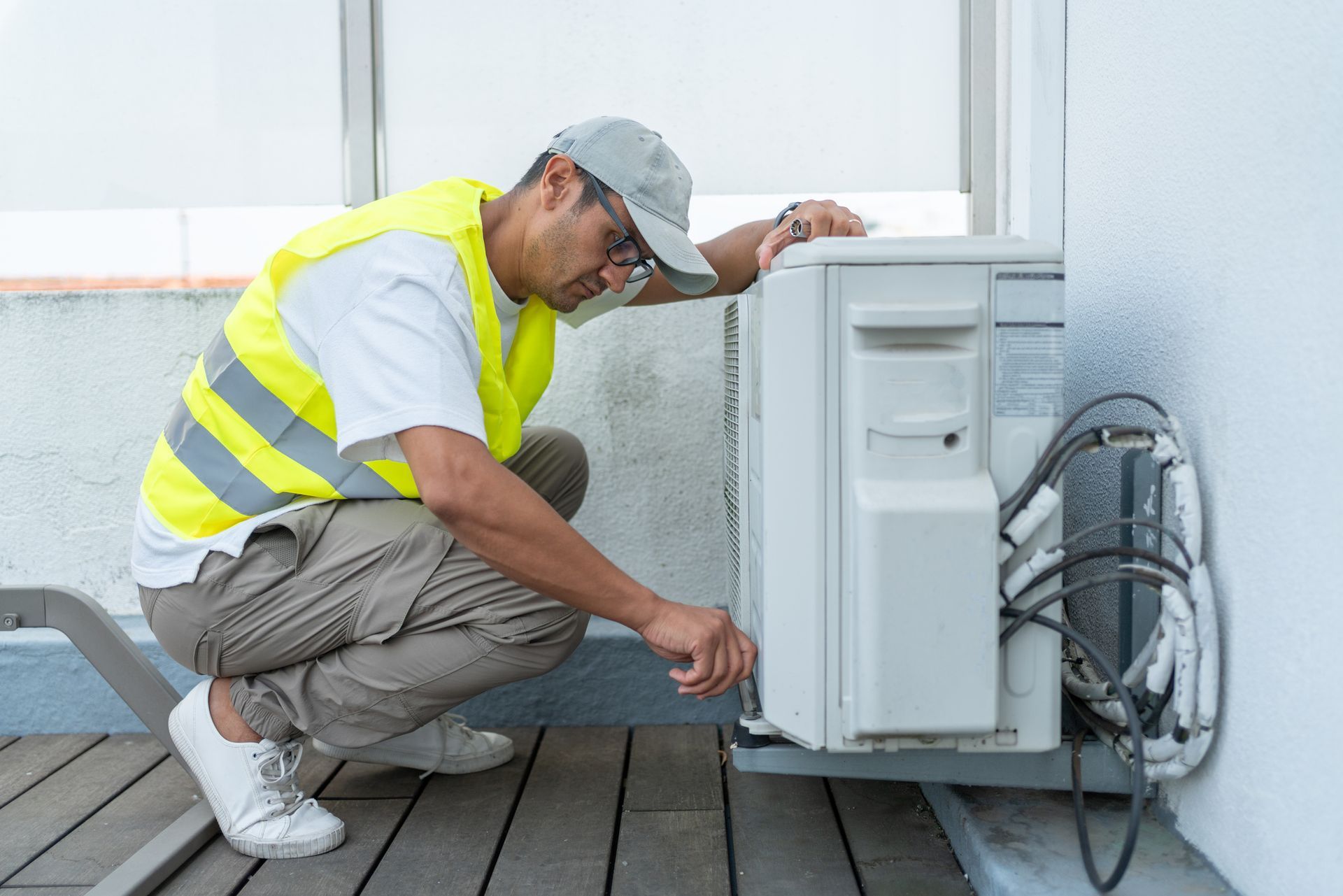
At Micron Mechanical, we install and service residential heat pumps and furnaces throughout the Lower Mainland. Our technicians can assess your home’s heating needs, explain suitable options, and help you plan a replacement that supports dependable comfort.
Contact us to schedule a heating consultation.