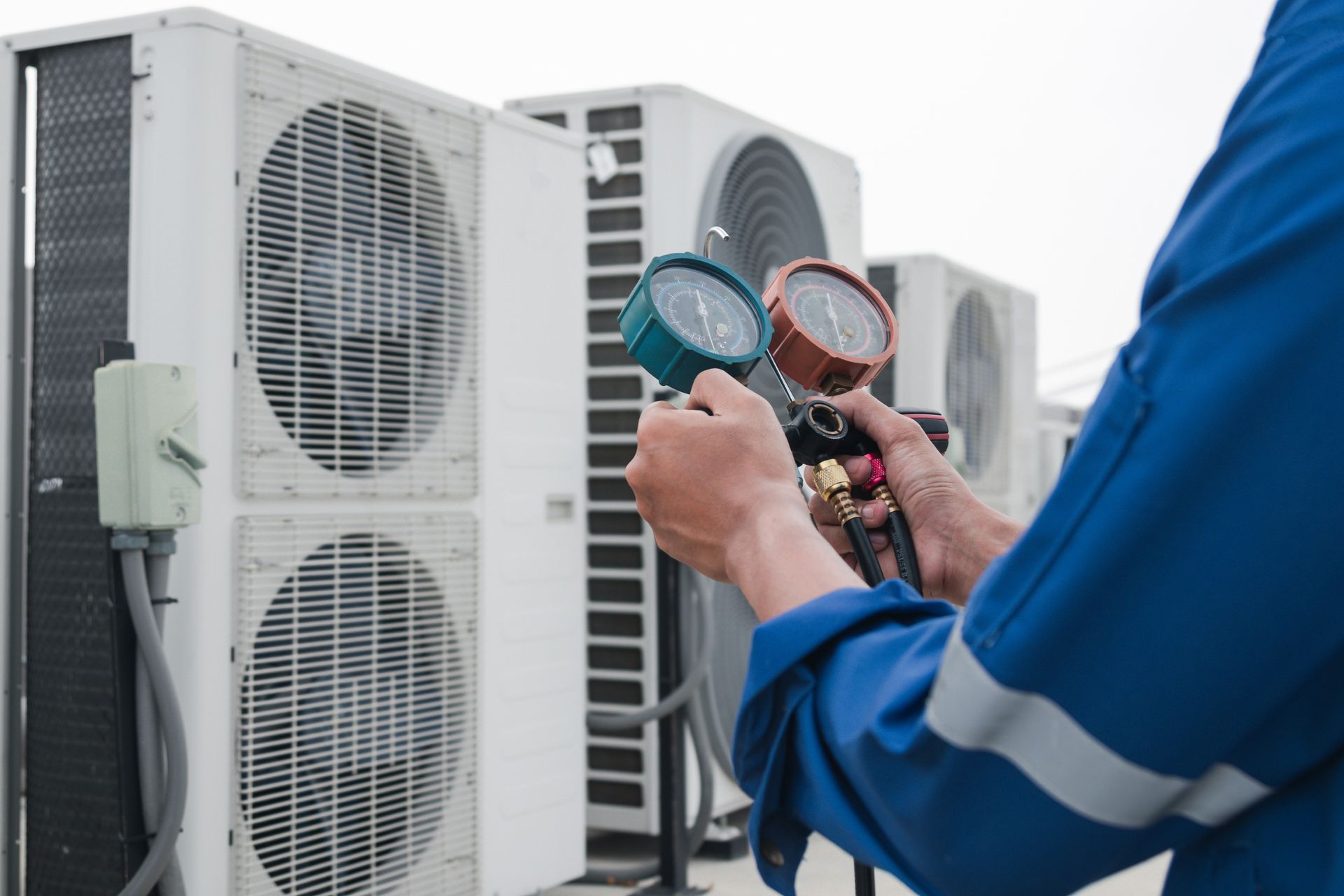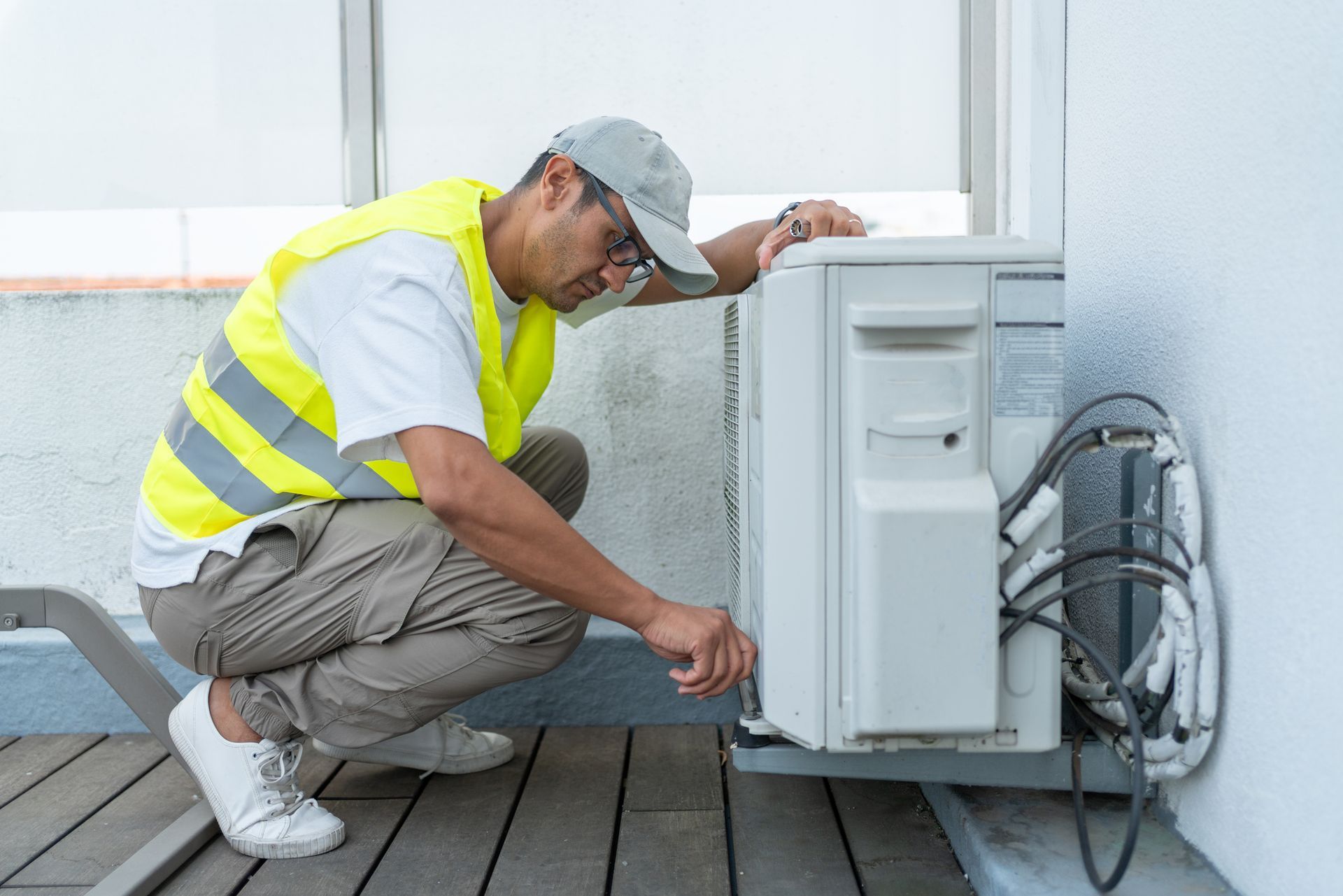
In 2025 all new multi-family home builds in Canada will be required to install mechanical air-cooling equipment. This will bring about big changes for building operators including:
- The need for building operators to future plan for retrofits of their older systems,
- Being willing to pay a premium for legacy refrigerants required for older systems; and
- Understanding the benefits of partnering with HVAC/R service providers who are able to advise on the best practices for these changes in order to mitigate the impact on building operator’s portfolio.
Current Regulations in Canada
Canada, as a signatory to the Montreal Protocol and its Kigali Amendment, is transitioning away from high Global Warming Potential (GWP) refrigerants. Current regulations are primarily driven by the Canadian Environmental Protection Act (CEPA) and updates to the Ozone-Depleting Substances and Halocarbon Alternatives Regulations(ODSHAR). These frameworks impose strict controls on the import, production, and use of refrigerants with high GWP.
Key regulations include:
- Phase-Down Schedule: Canada is adhering to a gradual phase-down of HFCs, with reductions beginning in 2019. The ultimate target is an 85% reduction in HFC usage by 2036.
- Refrigerants for New Equipment: starting in 2025, newly installed chillers in Canada must use refrigerants with a GWP below 750. This will push the HVAC industry toward the adoption of alternative refrigerants like HFOs (Hydrofluoroolefins), natural refrigerants like CO2, and lower-GWP HFC blends.
- CSA B52-20 Standard: The Mechanical Refrigeration Code (CSA B52) sets stringent safety standards for the installation and maintenance of refrigerants, particularly concerning flammability and toxicity risks posed by new alternatives such as A2L refrigerants.
Technical Challenges in Transitioning to Low-GWP Refrigerants
While regulations drive the transition to environmentally friendly refrigerants, technical and logistical challenges also need to be considered. Some of the technical challenges include:
- Compatibility with Existing Equipment: retrofitting older systems designed for HFCs to accommodate newer refrigerants like HFOs or CO2 can be costly and complex. Refrigerants with different thermodynamic properties may require changes in compressors, valves, and overall system architecture.
- Safety: many lower-GWP alternatives (such as A2L) pose flammability risks. Additional considerations should be considered for fire safety and suppression, enhanced ventilation, and sensors for detecting refrigerant leaks.
- Technician Training and Certification: installing and servicing systems that use A2L refrigerants or natural refrigerants like CO2 will require new training and certifications. CO2 systems, for example, operate at much higher pressures than traditional HFC-based systems, requiring specialized knowledge in handling and maintenance. Courses on the proper installation, leak detection, and maintenance of low-GWP refrigerants will become necessary across the industry.
Economic Impact of the Refrigerant Transition
This refrigerant transition will undoubtedly have economic impacts on building owners, HVAC manufacturers, and service technicians. For building owners, the transition to low-GWP refrigerants may involve substantial upfront costs, particularly for retrofitting older systems. In many cases, existing equipment that uses HFCs may not be compatible with new refrigerants, necessitating a full system replacement.
Additionally, as manufacturers phase out HFC production, there may be supply chain disruptions for certain refrigerants. Prices for legacy refrigerants like R-134a and R-410a should be expected to rise as they become less available, further incentivizing the transition to low-GWP alternatives.
The Bottom Line
As the world moves toward a carbon-neutral future, refrigerants with low or zero GWP will play a critical role in reducing emissions from buildings, which are responsible for a significant portion of greenhouse gas emissions. Canada’s refrigerant transition is complex and requires coordination between regulators, manufacturers, building owners, and technicians. While the technical challenges are significant, the long-term benefits of reducing greenhouse gas emissions and advancing sustainable technologies will help to usher in a greener era for the HVAC and Refrigeration sectors across Canada.