Driven by ambitious climate targets, Vancouver’s commercial HVAC/R sector is undergoing an ongoing shift toward decarbonization across the industry. This transition is not without its challenges. Staying informed on new technologies, collaborating across disciplines, and pursuing advanced training can help HVAC/R industry leaders play a pivotal role in the city’s decarbonization goals.
Current and Future Regulations
The City of Vancouver has laid out a clear trajectory toward net-zero emissions for existing large commercial and multi-family buildings. Energize Vancouver, first launched in 2023, is “a multi-year initiative dedicated to upgrading and retrofitting Vancouver’s large existing commercial and multi-family buildings to provide healthier, safer, and more comfortable indoor spaces, while reducing emissions and improving energy performance.”
One key policy under Energize Vancouver is that commercial buildings over 100,000 sq ft are now required to begin carbon reporting as of June 1, 2025. And this same reporting framework will expand in scope through 2026, eventually introducing Greenhouse gas intensity (GHGi) limits by 2027. By 2040, the city aims to eliminate greenhouse gas emissions from all large buildings.
It’s important to note that these policies are not just aspirational they are enforceable, and building owners and property managers are actively seeking solutions that align with current and upcoming compliance requirements.
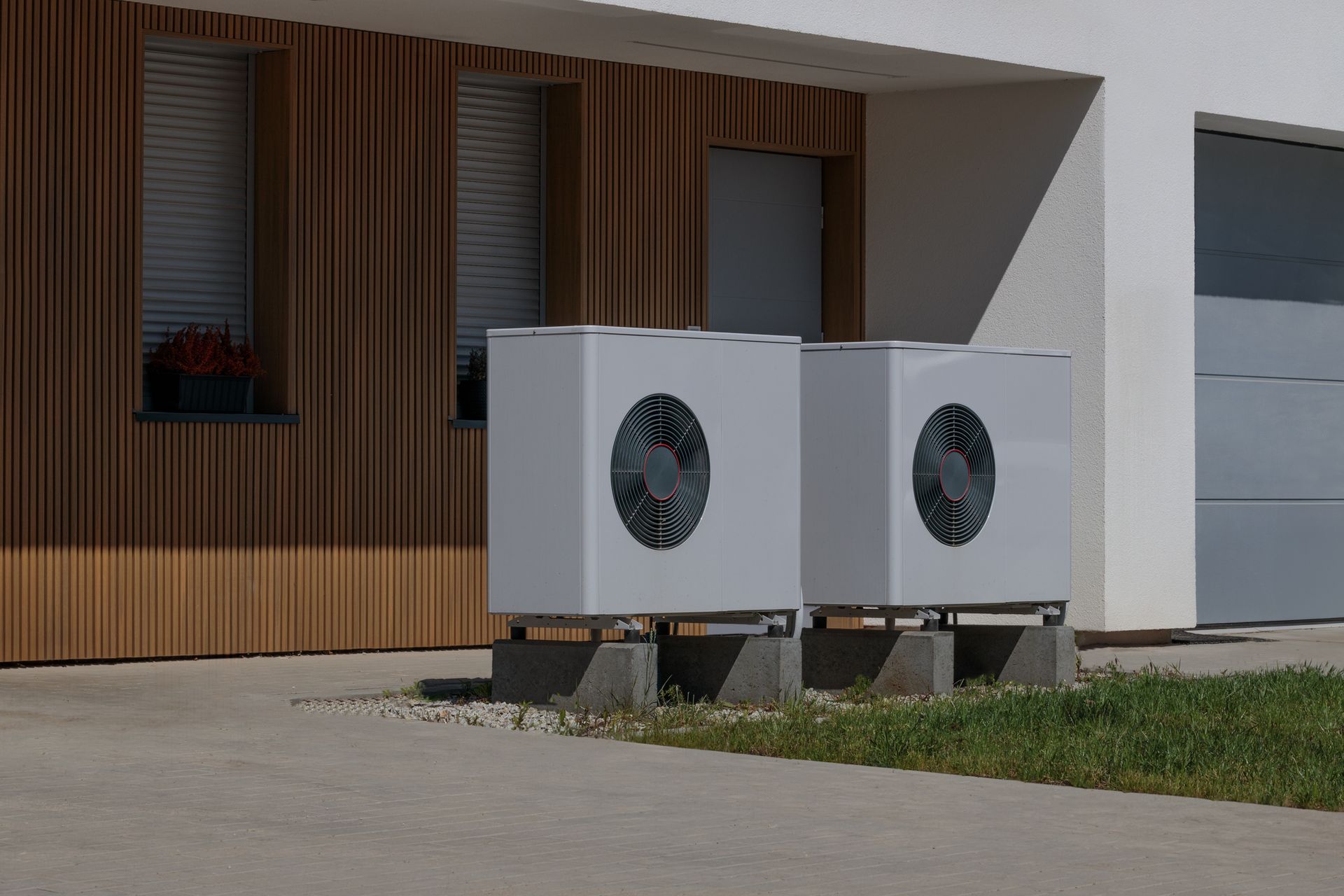
Electrification and the Role of Heat Pumps
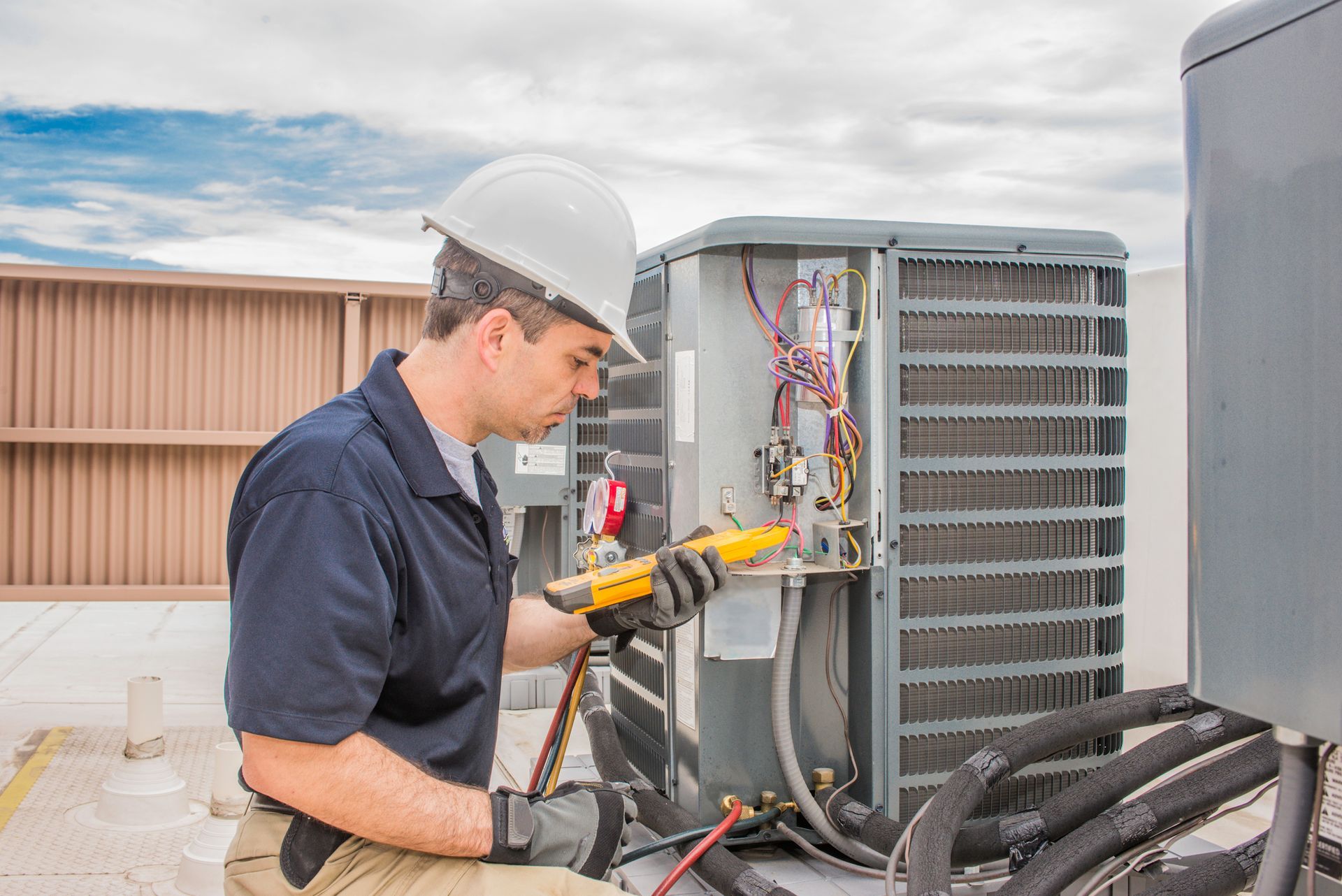
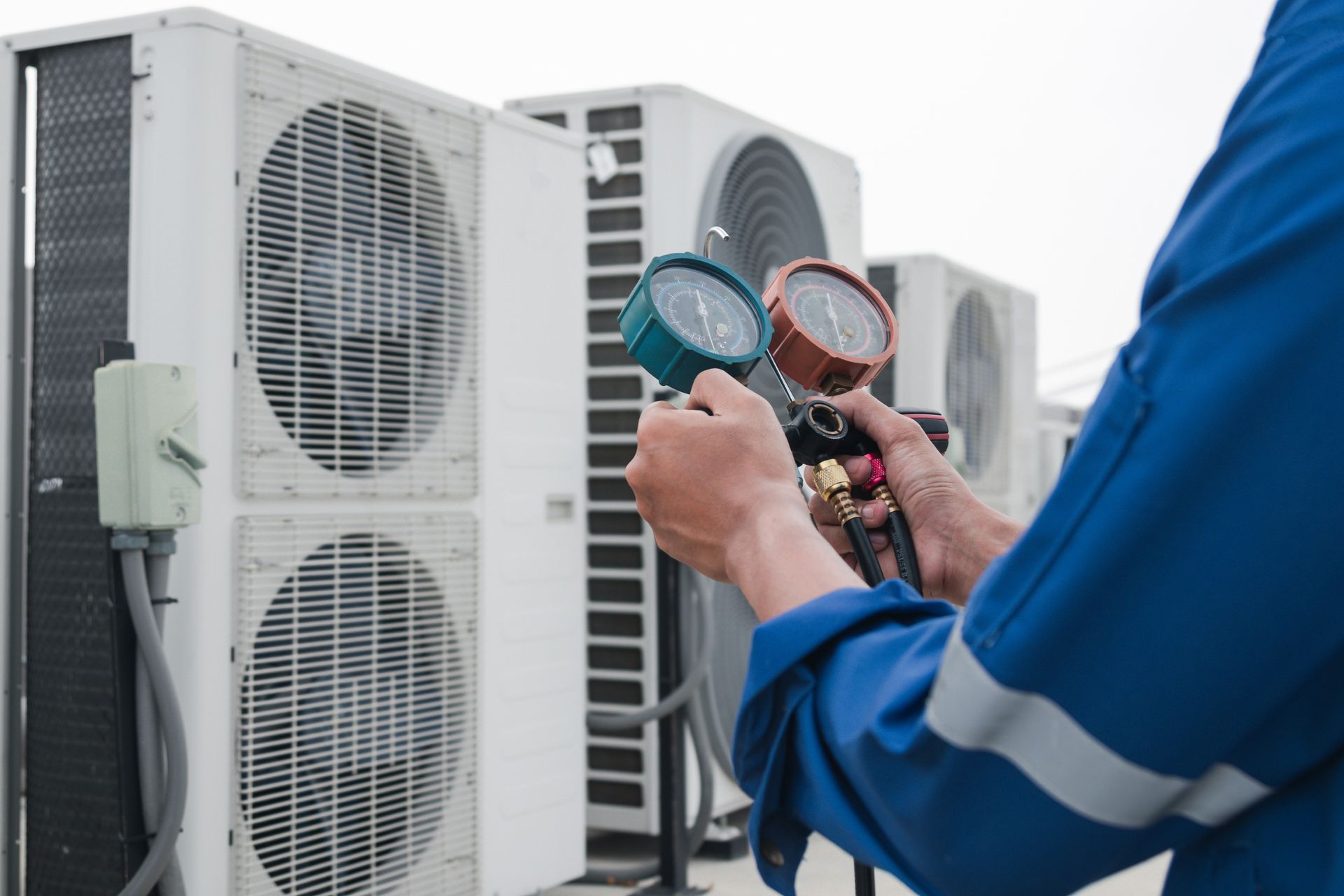
In retrofit scenarios, we are increasingly replacing natural gas-fired rooftop units (RTUs) and make-up air units (MUAs) with cold-climate heat pump ventilation systems. These upgraded systems deliver both ventilation and space conditioning, achieving COPs of 3.0 to 3.5 under typical operating conditions. For many buildings, this represents anywhere from a 50-80% reduction in HVAC-related emissions.
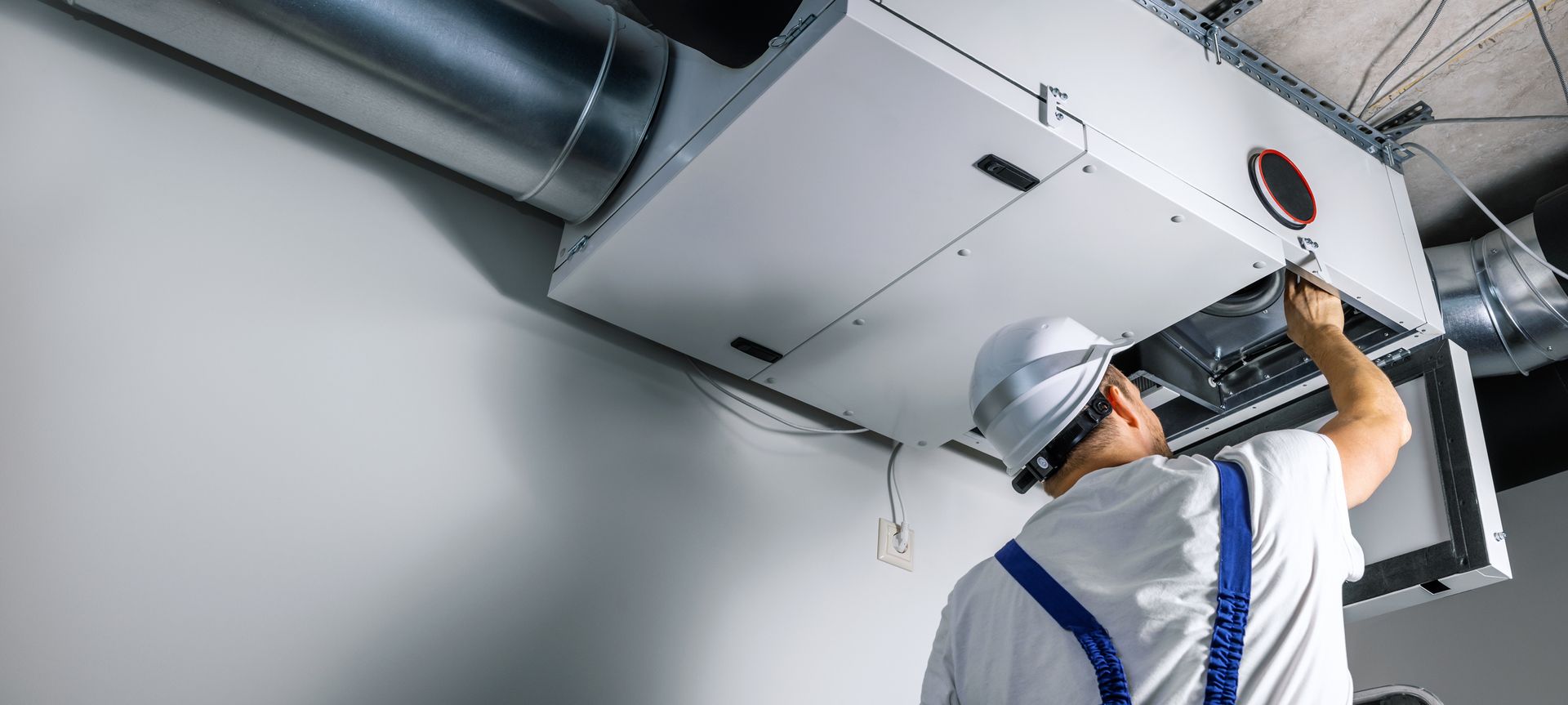
What’s especially important is that these systems are modular and scalable. In buildings where mechanical space is limited there can be success in deploying compact, rooftop-mounted units with integrated heat recovery ventilation (HRV) and demand-controlled ventilation (DCV).
The Importance of Integrated Planning
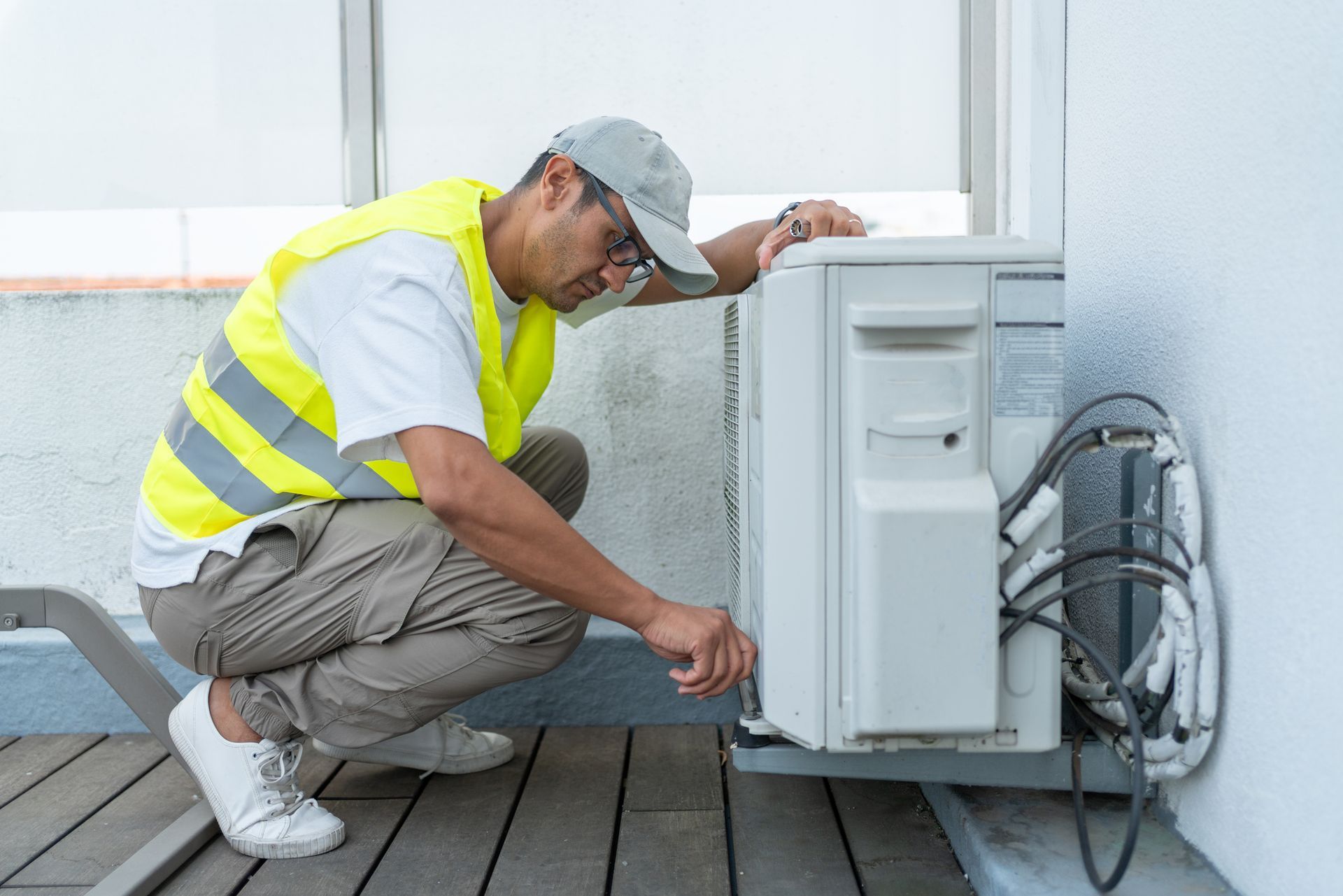
Decarbonization isn’t just about swapping out equipment, it requires integrated planning that considers building envelope performance, peak load management, lifecycle costing, and occupant comfort. Existing buildings present constraints in terms of physical space, electrical capacity, and operational disruption. In heritage or high-rise properties, deploying vertical heat pump risers or finding sufficient space for condenser units can be a potential barrier to consider. Phased implementation that starts with ventilation electrification or control system upgrades can pave the way for deeper retrofits in the future.
Conclusion
Commercial and residential buildings are responsible for more than half of the city’s greenhouse gas emissions. As Vancouver moves toward net‑zero emissions by 2050, transforming HVAC/R systems through electrification, heat pumps, and integrated planning will be a critical component in helping to achieve this decarbonization strategy.