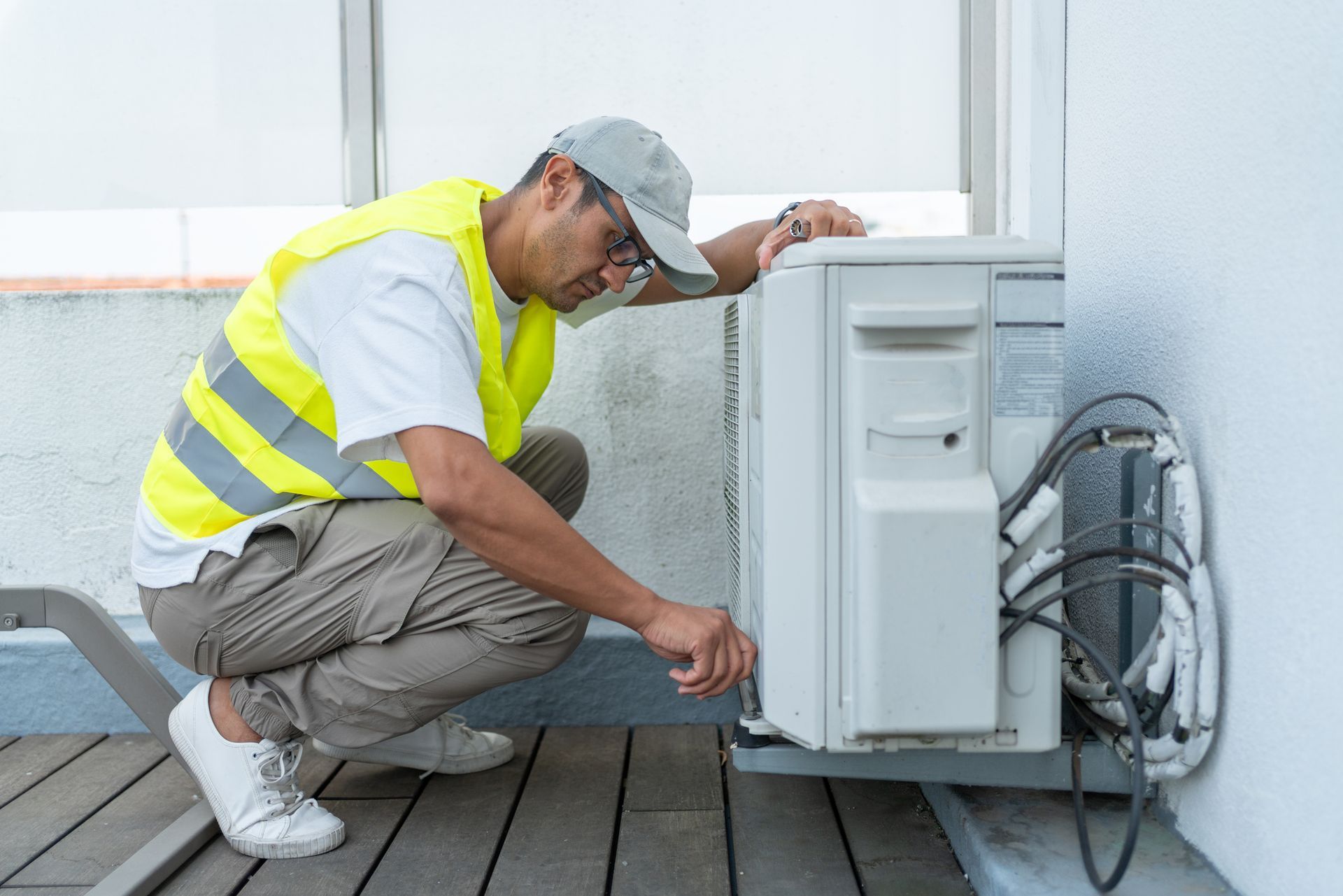
AI has recently become a popular discussion topic as the “next big thing” in HVAC. But the truth is, it’s already here and it can have useful applications in making your work smarter, faster and more efficient. However, I want to emphasize that AI can’t replace a qualified HVAC technician. AI can’t turn a wrench, carry a ladder, and it sure doesn’t know what it’s like to service a make-up air unit on a freezing rooftop in winter!
In the many years that I have been running my HVAC business, I usually find that my day is a mixture of balancing urgent service calls and responding to inquiries from new clients, while also managing technicians working on site. There have been many times when I’ve started my day bright and early, look down only to look back up again and it’s 3pm – where did my day go? This is where AI-powered remote support can make a significant difference in managing your time, while still providing excellent customer service.
Field Technicians Taking Client Calls
A common source of daily inefficiency that I see are the interruptions when technicians respond to urgent customer calls while they’re also on a job site. If a technician has a good working relationship with a client, that client might want to turn to their trusted expert first because they want (or urgently need) an immediate answer.
Any good HVAC company wants to provide the best and most responsive customer service. However, when technicians are pulled into troubleshooting over the phone while servicing another location, their productivity drops. Multitasking in these situations can lead to mistakes, delays, and reduced customer satisfaction. Not to mention, it burdens and wears down your workforce.
AI-powered Remote Support
AI-powered remote support tools offer an efficient way to streamline customer service without burdening your field team. It provides some great advantages, including:
- Increased Efficiency: Office staff can handle common issues remotely, freeing field technicians to stay focused on active job sites.
- Reduced Downtime: Clients receive faster responses, especially for minor or recurring problems.
- Improved Customer Satisfaction: Clients appreciate a fast and responsive customer experience, especially when downtime impacts their business.
Depending on your company needs, there are many options you can utilize that include AI-powered remote support. I have found the following to be the most beneficial in my own business:
- Integrated Communication Channels: AI tools can coordinate messaging across phone, chat, text, and email. The best part is that clients don’t have to repeat themselves and the full history of all request are recorded and saved no matter how the client contact your company.
- Smart Ticket Routing and Prioritization: AI systems can analyze incoming support requests and identify the type and urgency of the issue using natural language processing (NLP). The smart ticket system can help prioritize critical equipment failures over routine maintenance request.
- Instant Response through a Virtual Assistant: Virtual Assistants can be integrated into your website, mobile app, or client portal and immediately interact with customers 24/7. They can ask basic diagnostic questions and even access system history and customer service records. This can help customers get immediate answers without waiting for a technician or office staff to respond.
Positioning Your Business for the Future
The commercial HVAC industry requires speed, reliability, and professionalism. Utilizing AI-enhanced remote support is going to become a strong competitive advantage. It allows your team to respond faster, work smarter, and provide a higher level of service without increasing operational complexity. It also signals to your clients that your company is forward-thinking, investing in technology not just to improve internal operations, but to deliver better results for the customers that rely on you.