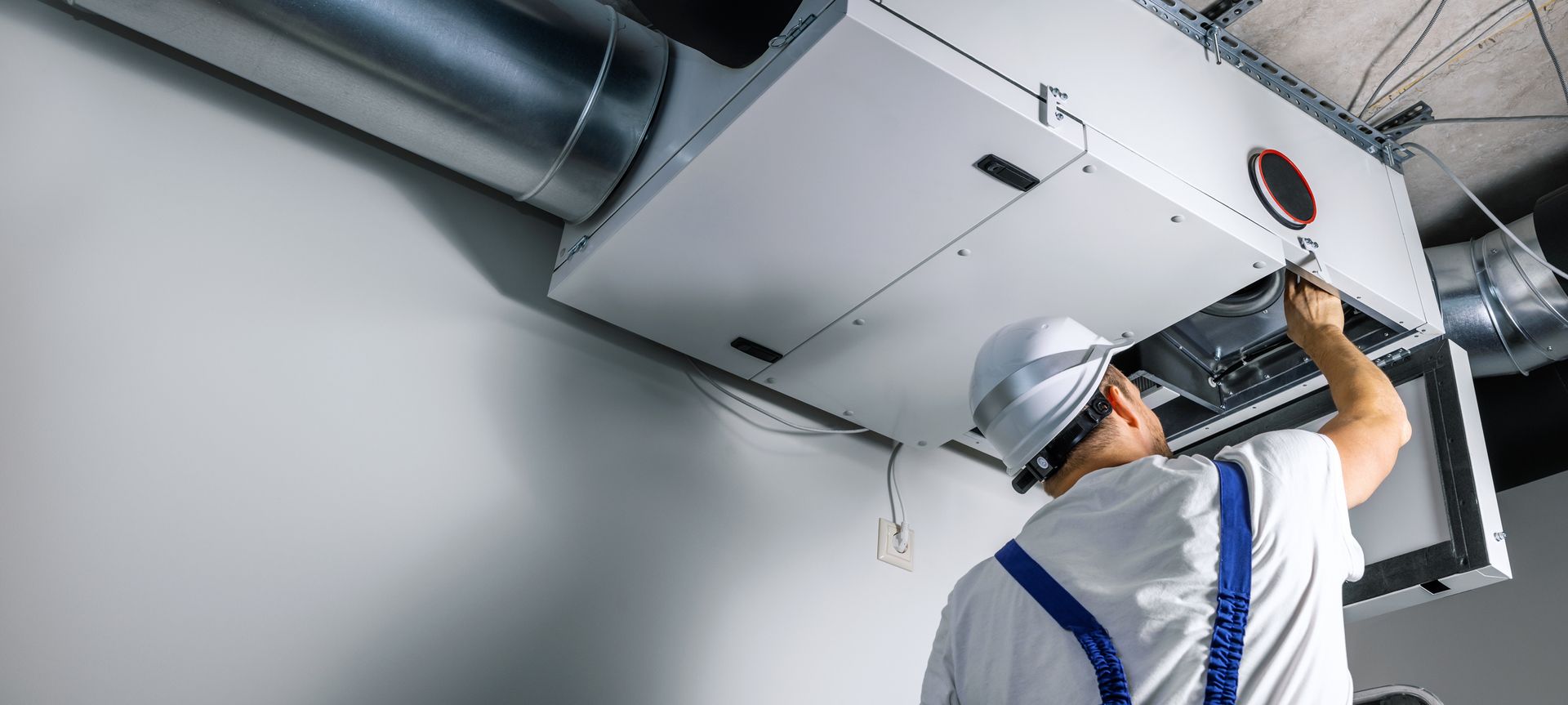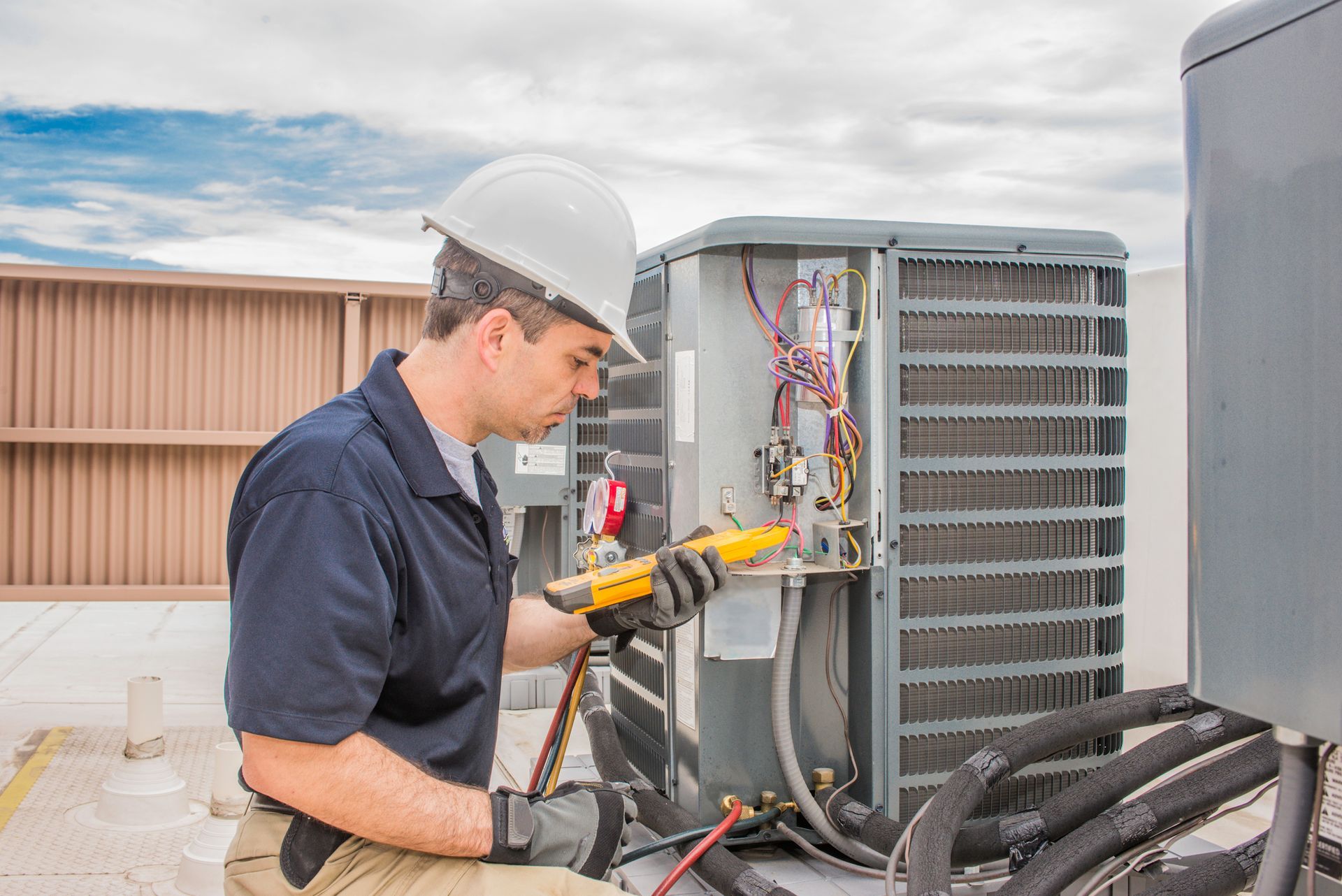
Although winter is fast approaching, there is still time to ensure that you have completed all winterization for your commercial building. Maintaining your building HVAC system is crucial for keeping the building warm, improving air quality, and reducing energy costs. Additionally, poor ventilation can potentially lead to issues like condensation and mold.
Winterizing is an essential component of property management that can also incorporate maintenance and upgrades to help to save on future energy costs. These proactive steps can help avoid costly repairs, increase energy efficiency, and provide a safer, more comfortable environment during the colder months.
HVAC, Ventilation and Indoor Air Quality
- Inspect and Change Filters: Clean or replace filters in furnaces and air handlers. Dirty filters reduce airflow, making the system work harder which increases energy consumption.
- Thermostat Upgrade: Consider installing a programmable or smart thermostat. By adjusting temperatures based on occupancy, you can reduce energy usage and save energy usage during off-hours.
- Ventilation System Maintenance: Clean all ventilation ducts and ensure that fans are working properly to prevent stale air and moisture build-up.
- Humidity Control: Install or check dehumidifiers and humidity sensors if the building is prone to high humidity, which can lead to condensation on windows and walls. Humidity levels should be between 30 – 40% during the winter.
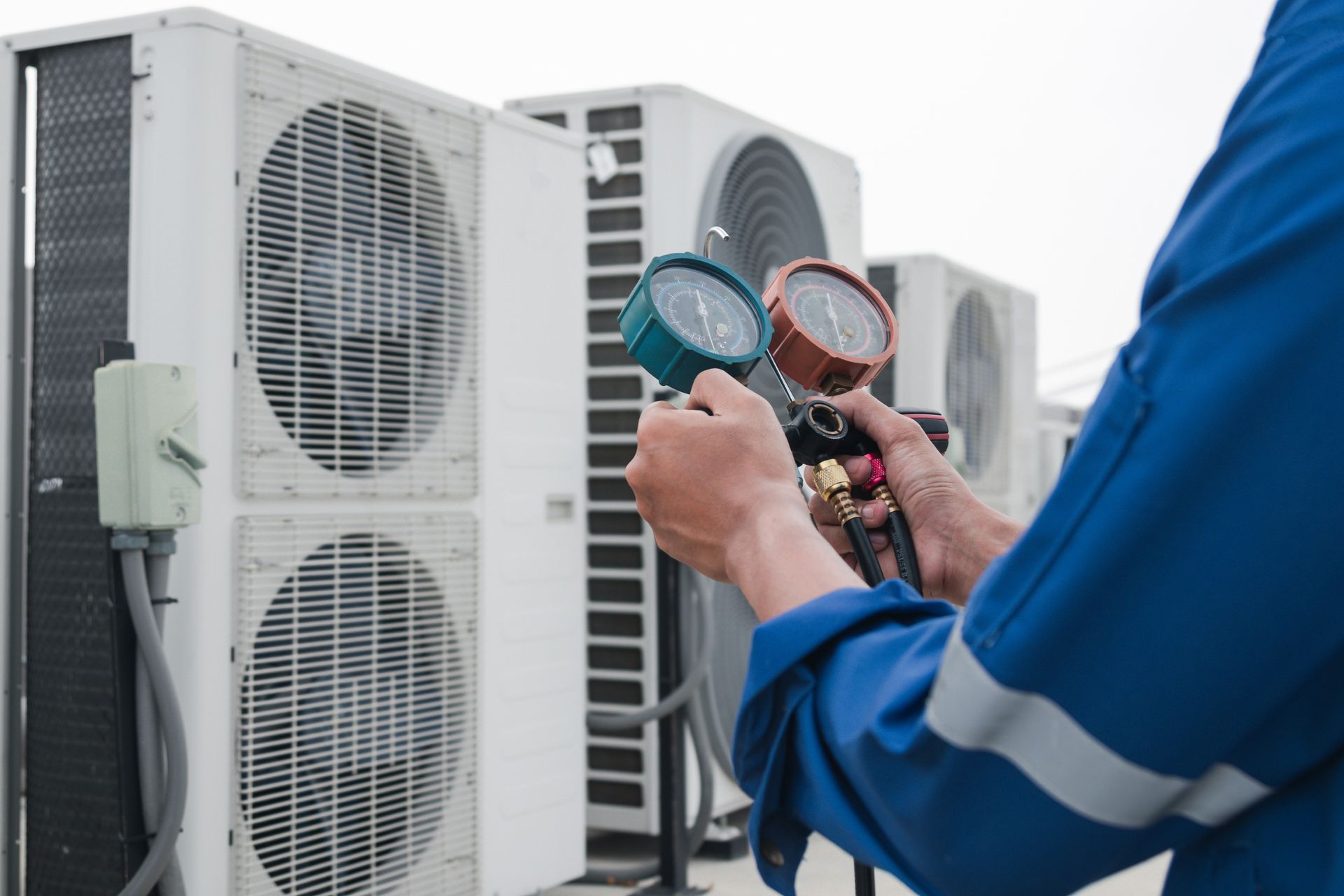
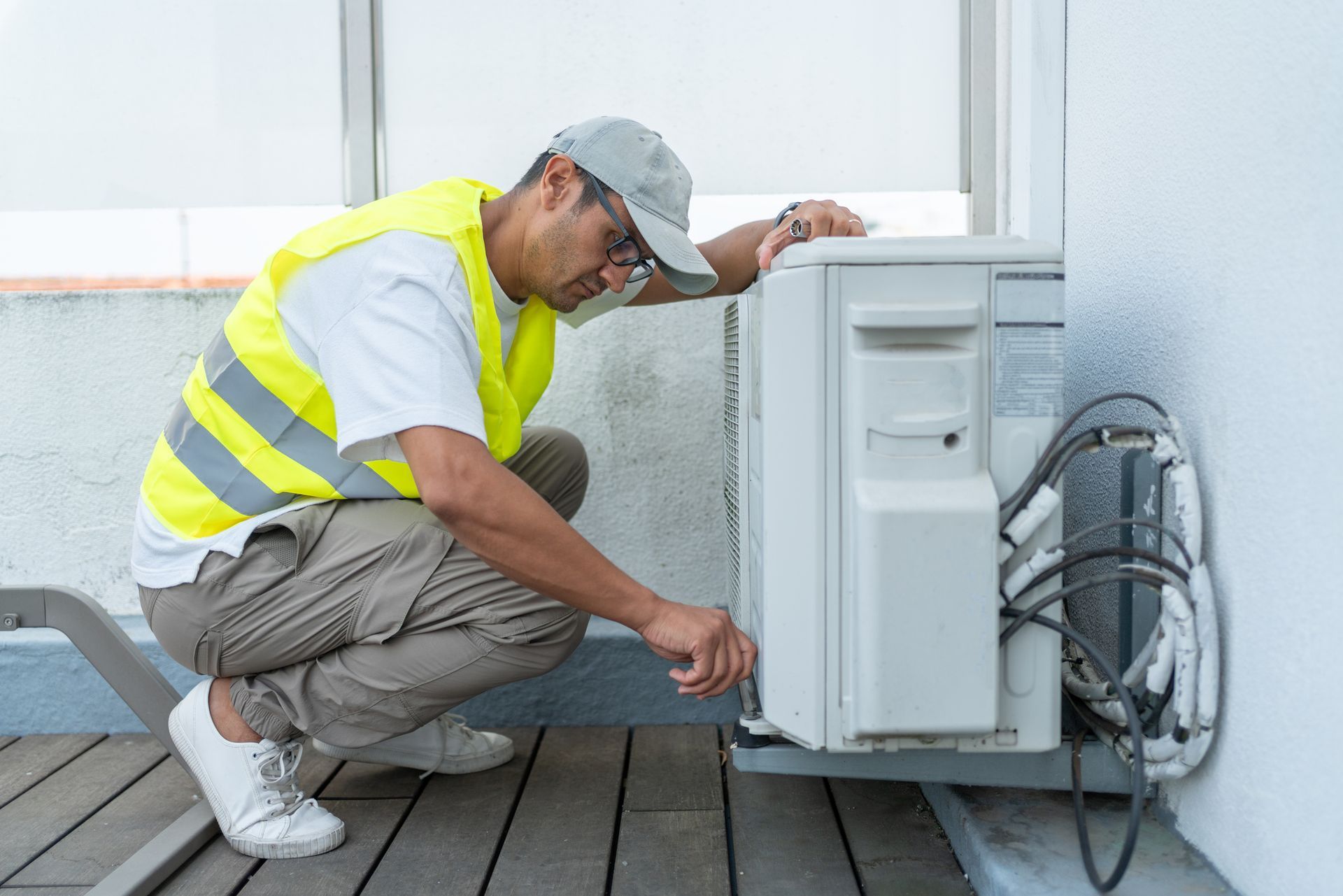
- Schedule a seasonal maintenance assessment with a licensed HVAC technician, to ensure your system is operating safely and up to required specifications. This includes the furnace, heat pump, and boiler, a professional can help identify any problems before they lead to costly breakdowns.
Inspect and Seal the Building Envelope and Ensure Proper Insulation
- Windows and Doors: Check for gaps, cracks, and damaged seals around windows and doors. Use weatherstripping to seal drafts and prevent heat loss. If feasible, consider installing double or triple-pane windows for enhanced insulation.
- Exterior Walls: Examine walls for cracks or signs of wear. Applying caulking or sealant can prevent air leaks, moisture penetration, and pests from entering the building. An exterior waterproofing treatment may also help if the building experiences high rainfall or snowfall.
- Attic and Roof Inspection: Ensure attics and roof spaces are adequately insulated. The insulation material should be evenly distributed, without gaps.
- Ductwork: Ducts that run through cold spaces should be insulated to ensure they keep heated air from cooling as it moves through the building.
Protect Water Systems
- Water Heaters: Check water heaters for leaks or rust. Flushing sediment build-up from the tank can improve efficiency, making it easier to maintain hot water temperatures during the colder months.
- Insulate Pipes: As mentioned with ducts, insulate any exposed or poorly insulated pipes, especially those in unheated areas.
- Outdoor Faucets: Shut off outdoor faucets and drain any remaining water to prevent freezing. Installing frost-free hose bibs is also an option as a long-term solution to help prevent freezing.
Start Thinking About Summer Now
Summer brings soaring temperatures, high humidity, and increased energy demands. Preparing a commercial building for the summer weather during the winter months can ensure that you are able to stay ahead of maintenance issues that could come up with the first spike in temperatures.
Optimize the HVAC System for Cooling, Ventilation, and Airflow
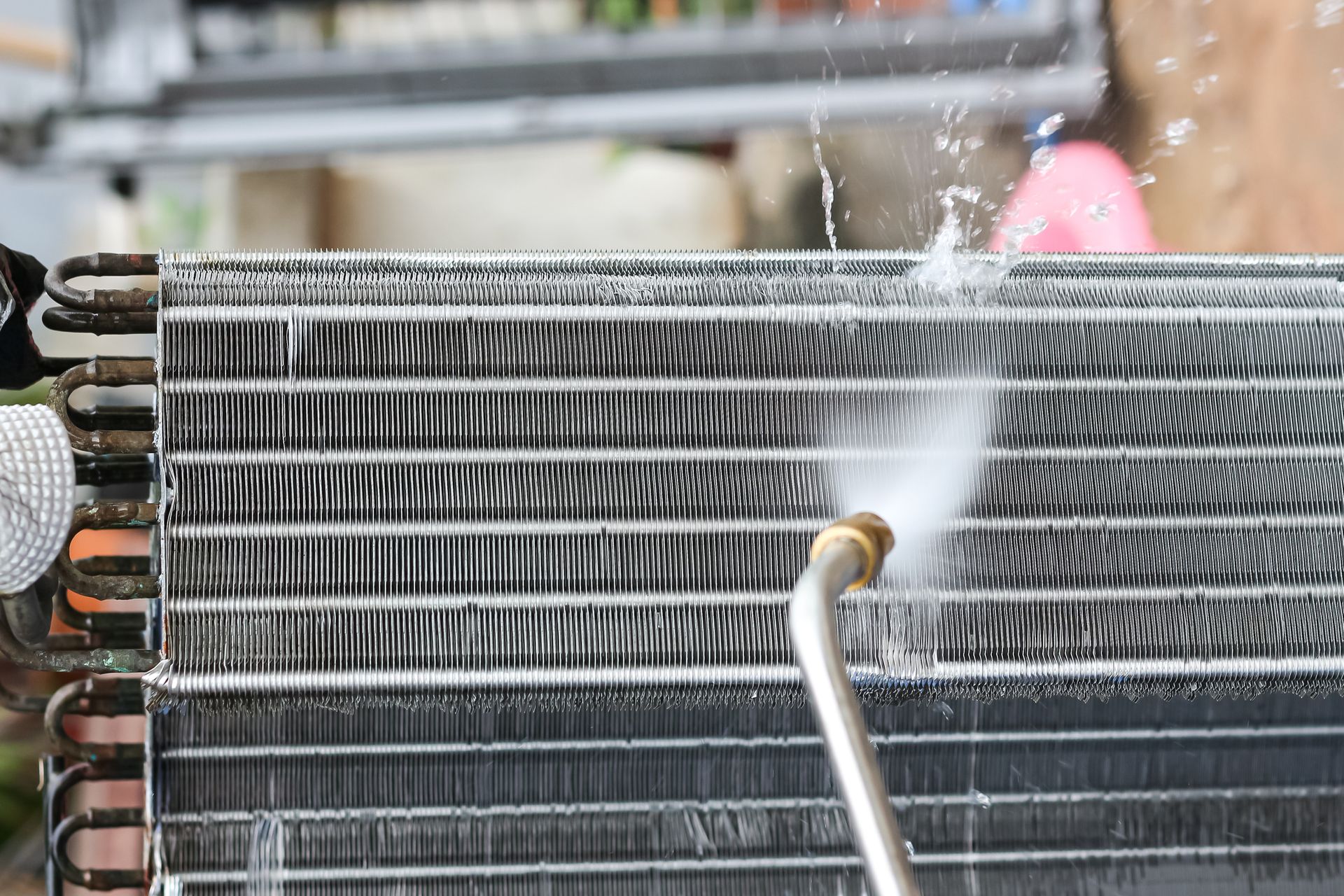
- Professional Inspection: Schedule an HVAC tune-up long before summer begins, typically February-April are good months to start this process. Tune-ups by licensed professionals should include, at the bare minimum: system inspection, coils, refrigerant, and proactive recommendations.
- Change Air Filters: Replace or clean air filters at the start of the season and continue to check them regularly. Clean filters help to improve airflow and reduce strain on the system, resulting in better energy efficiency.
- Use Natural Ventilation: If local conditions permit, take advantage of natural ventilation by opening windows and doors to keep the building cooler. Many types of HVAC equipment operate with an economizer. If the outdoor ambient is cold enough and cooling is required for your facility, it will automatically allow outdoor air to cool and ventilate the space and keep the facility comfortable without using mechanical cooling. This saves money, but it only saves money if it’s functioning properly.
No Matter the Season: Consider an Energy Audit
An energy audit can help identify areas where the building may be losing heat or cooling or is simply using more energy than necessary. You can start by reviewing and comparing utility bills from past seasons to identify spikes or trends in energy usage. This information can help prioritize improvements and help you make better decisions for future upgrades or efficiency improvements.You could also consider seeking out a professional energy audit. A thorough, professional review of utility bills can reveal usage patterns that may lead to improvements. Thermal imaging can help identify heat leaks, cold spots, or areas or energy loss around the building. A professional can help to pinpoint where additional insulation or repairs are needed to ensure you are prepared for the next big change in temperature.